Education
Studying at Unipi: Courses, enrolment and services for every stage of your academic journey, from orientation to post-graduate opportunities
- Explore the section Enrolment and Registration
- Degree Courses (First-level and single-cycle degree courses)
- Master’s Degree Courses (Second-level)
- Access after the first year for regulated-admission degree courses
- Second degree and recognition of previous studies
- Enrolment in Single Courses
- Credit integration for access to teacher training
- Enrolment in postgraduate courses
- Enrolment in two different University Degree Programmes
- Dual career: pathway for student-athletes
- Enrolment for international students
Campus and Services
Services and opportunities to support students through their university journey within a campus that is connected to the city
- Explore the section Services
- Right to Education – Scholarships, Housing, Canteens
- University canteens
- Listening and Counselling Service for University Students
- DSA Desk
- USID – Services Office for the Integration of Students with Disabilities
- Health Mode On: services for the wellbeing of the student community
- Insurance and health care: coverage for students
- Online services for students
- Explore the section Opportunities and free time
- Part-time collaborations
- Student activities and trips
- CUS - University Sports Centre
- University of Pisa Choir
- University of Pisa Orchestra
- E-Team. Unipi Motor Racing Team
- University Museums for Students
- Radioeco - the student's radio
- University agreements: student discounts
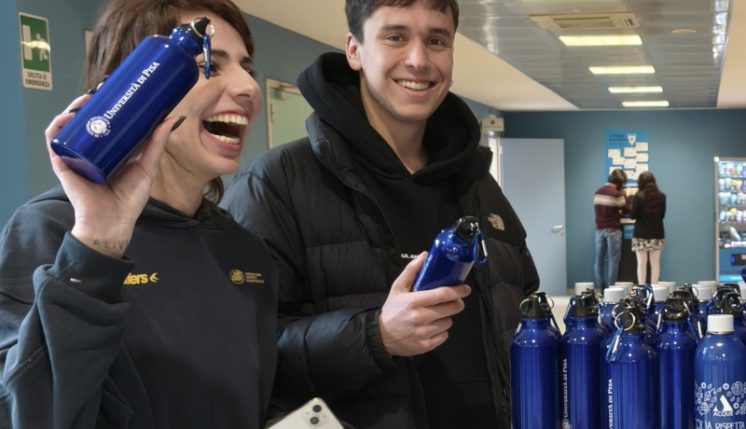
- Store Unipi: merchandising
Research
Through our research we expand the frontier of knowledge and prepare people ready to contribute to the future of society
Innovation
We collaborate with industry and society to expand the frontiers of knowledge and drive cultural, social, and economic impact nationwide
University and Society
We promote the dissemination of knowledge and support social transformation, contributing to the progress of both the community and the region
About Us
The identity of Unipi: its history, its guiding values and its vision for the future, between tradition, innovation and community commitment
- Explore the section Ceremonies and Honours
- Order of the Cherub
- Inauguration of the academic year
- Professors emeriti
- Honorary Degrees and Doctorates
- The Galileo Galilei International Prize of Italian Rotary Clubs
- Golden and silver graduation anniversaries
- Presentation of medals to honours graduates
- Anniversary of the Battle of Curtatone and Montanara