
Bàsura Cave in Liguria reveals one of the fastest sea-level rises in Earth’s history
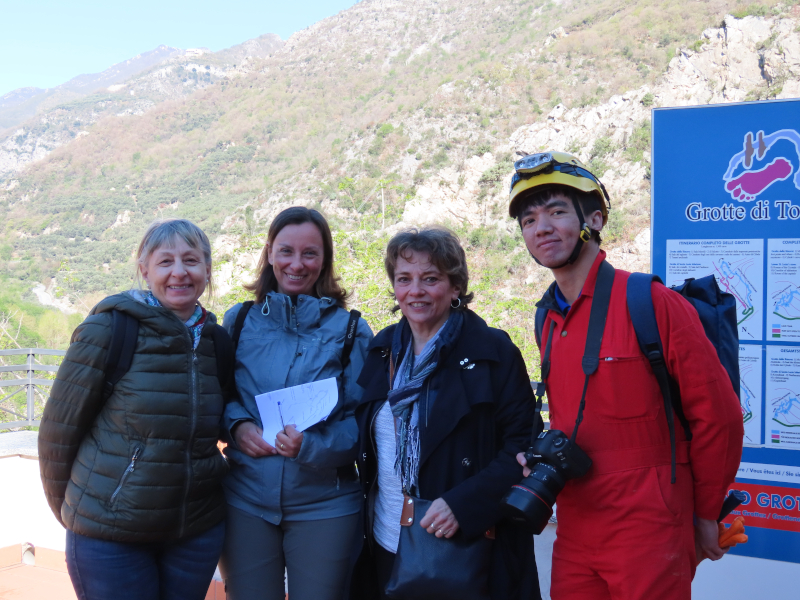
A Nature Communications study involving the University of Pisa shows that the phenomenon was driven by a slowdown in Atlantic Ocean circulation
When the skin “tricks” the brain

The study, conducted by the University of Pisa, the Italian Institute of Technology and the University of Rome Tor Vergata, shows that the sense of touch can reshape our perception of finger position
Space dust reveals “missing” primitive near-earth asteroid

Researchers from the Department of Earth Sciences at the University of Pisa contributed to the study, which was published in the journal Science Advances.
BRIGHT-NIGHT, the European Researchers’ Night, returns to Tuscany on Friday 25 September

The 2026 edition will focus on the theme of “caring”, understood as responsibility towards people, communities, relationships and the environment
Malaria killed the Medici brothers: parasite DNA reveals a previously unknown strain

A study by the University of Pisa and Yale University identifies genetic traces of the disease in the remains of Giovanni and Francesco I de’ Medici
€2.5 million from Europe to study how humans learn to speak and teach it to AI
Linguist Alessandro Lenci has been awarded an ERC Advanced Grant to develop a new generation of artificial intelligence models that integrate linguistics, cognitive science and developmental psychology
Schizophrenia: a study identifies more than 600 new genes linked to the disorder
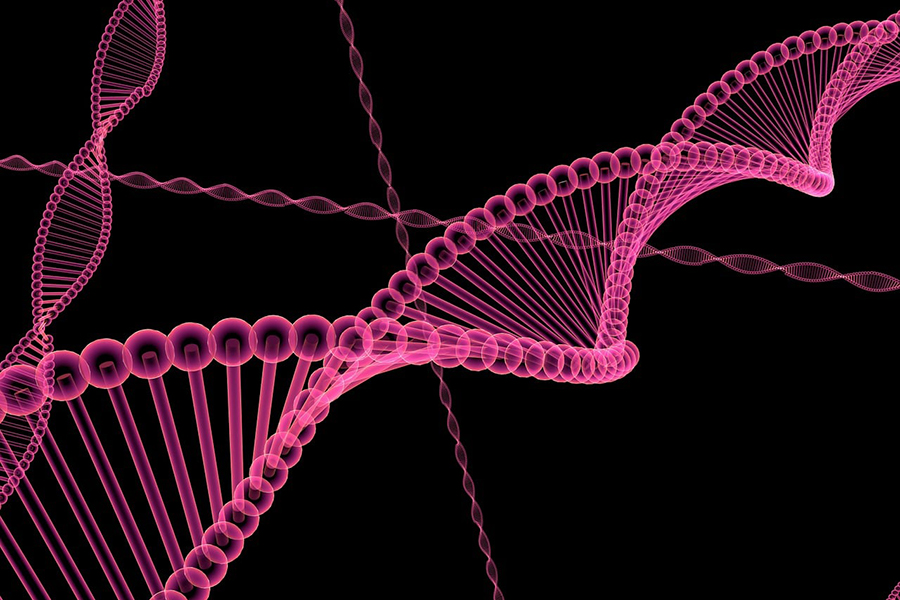
The study, published in Nature Genetics, opens new therapeutic perspectives
QS World University Rankings 2027: University of Pisa rises to 341st place globally and retains seventh position in Italy

The University strengthens its international standing thanks to the quality and impact of its research, while reputation indicators continue to improve
Two new projects for medical and diagnostic innovation funded through the SPARK Pisa call
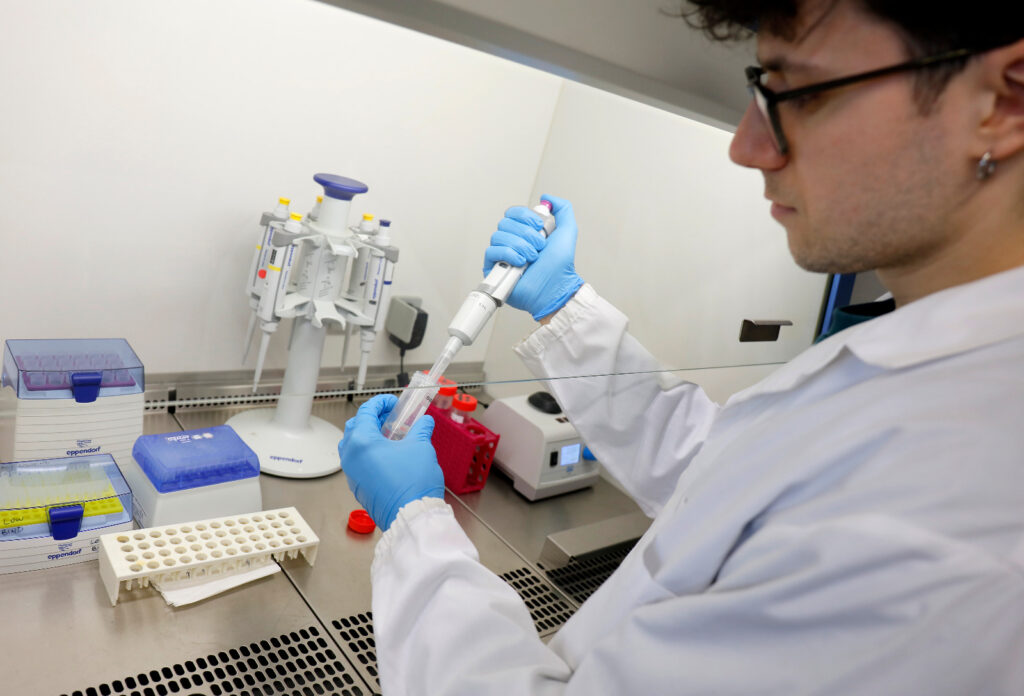
Two new projects for medical and diagnostic innovation funded through the SPARK Pisa Proof-of-Concept programme
Towards chips that mimic the human brain
The research, published in Nature Electronics, paves the way for devices that integrate memory and computing on a single chip, enabling energy-efficient neural networks