
Previously unpublished correspondence between Ragghianti and Chiarini sheds light on the ties between the University of Pisa and the Venice International Film Festival
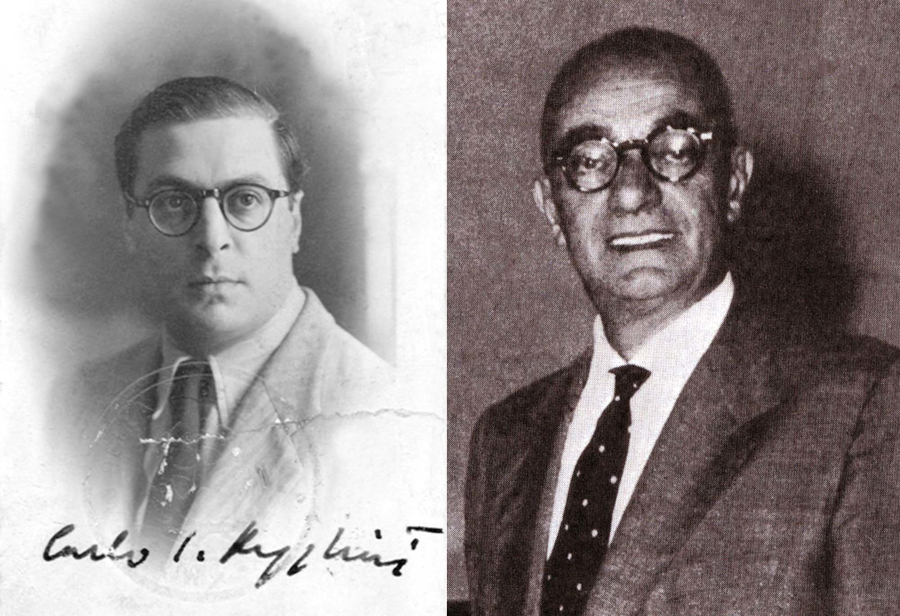
Four letters preserved in the Historical Archive of the Venice Biennale document the dialogue between the two intellectuals and their plan to promote film culture in Tuscany
Professor Anna Anguissola among the curators of Fondazione Prada’s new exhibition
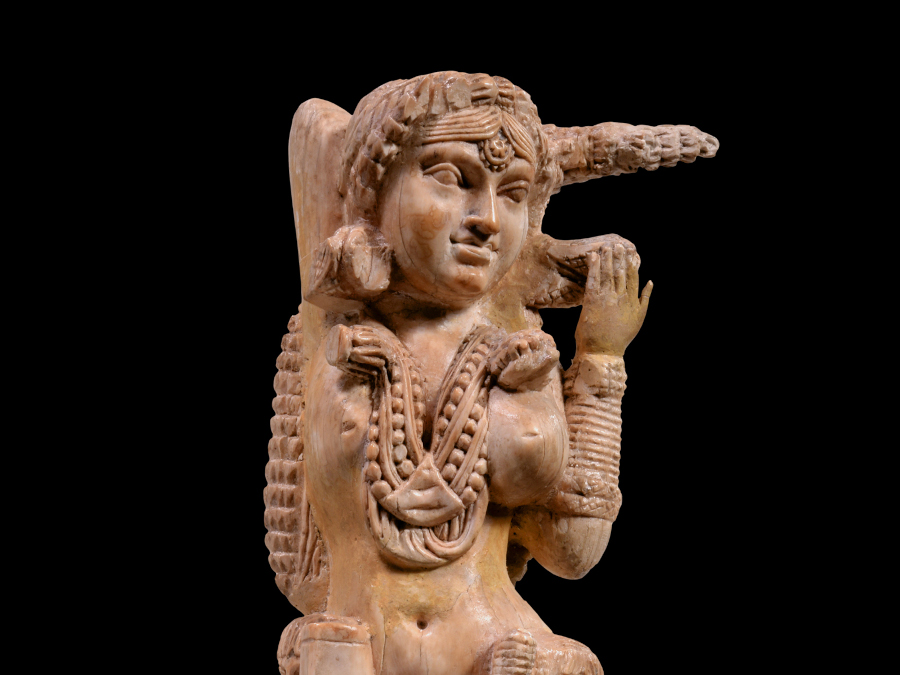
“Global Antiquity”, co-curated by Salvatore Settis, Anna Anguissola and Chiara Ballestrazzi, will be on display in Milan from 5 November 2026 to 1 March 2027
University of Pisa leads the first international Salicornia project to turn saline soils into a valuable resource
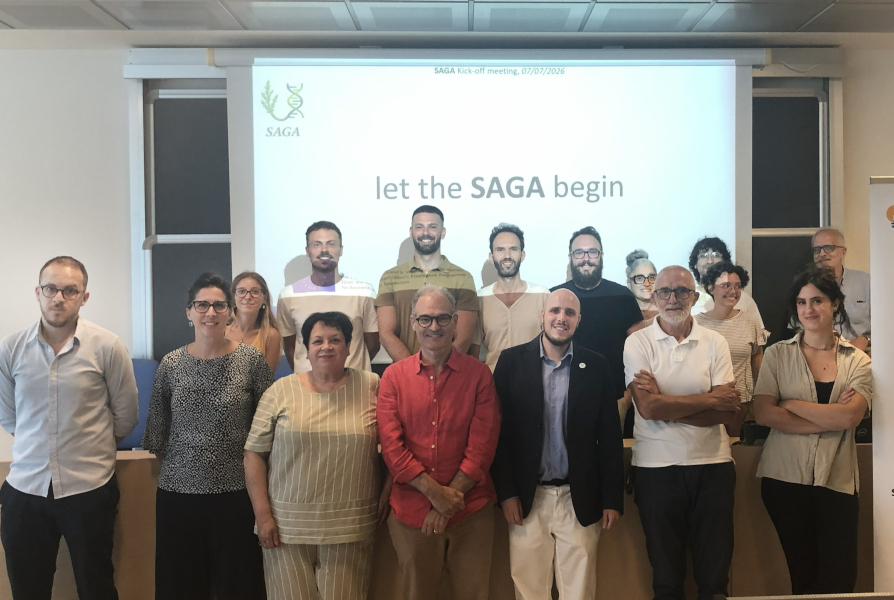
Known as SAGA, the project aims to study Salicornia’s genetic diversity to support more sustainable and climate-resilient agriculture
PFAS study reveals dual disruption of thyroid function and neurodevelopment
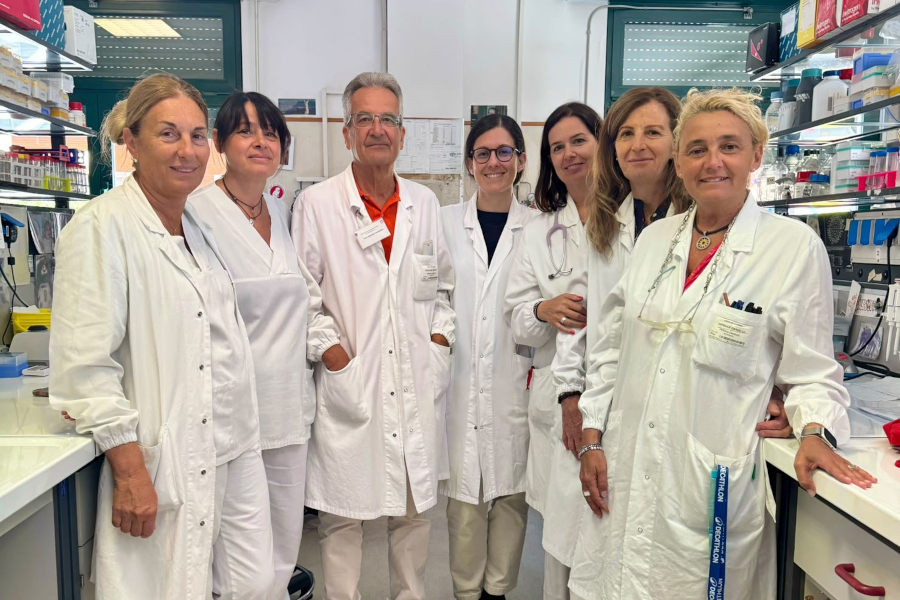
Research conducted by the University of Pisa, Pisa University Hospital and the University of Pavia, and published in Environmental Pollution, shows that these environmental contaminants may impair thyroid function
Foundation Course: final certificates awarded to students
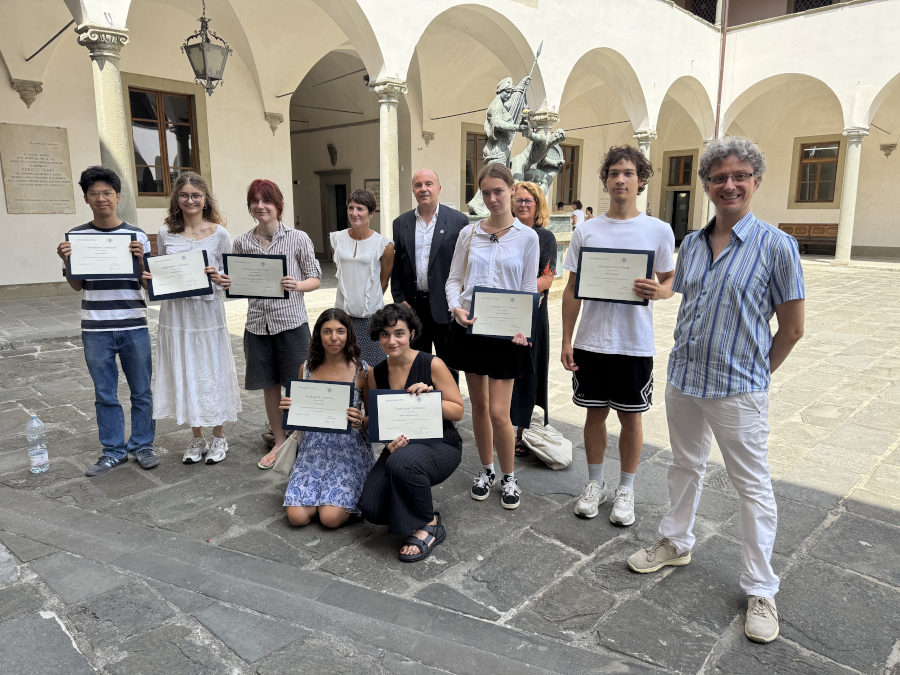
The programme aims at bridging the gap for international students who do not meet the direct entry requirements for Italian undergraduate programs
The University of Pisa among the partners of SOPHIA, the European project for innovation in Planetary Health

Funded by the EIT Higher Education Initiative, the project is being carried out within the framework of the Circle U. European University Alliance
The origins of the Dead Sea Scrolls: University of Pisa joins ERC research project
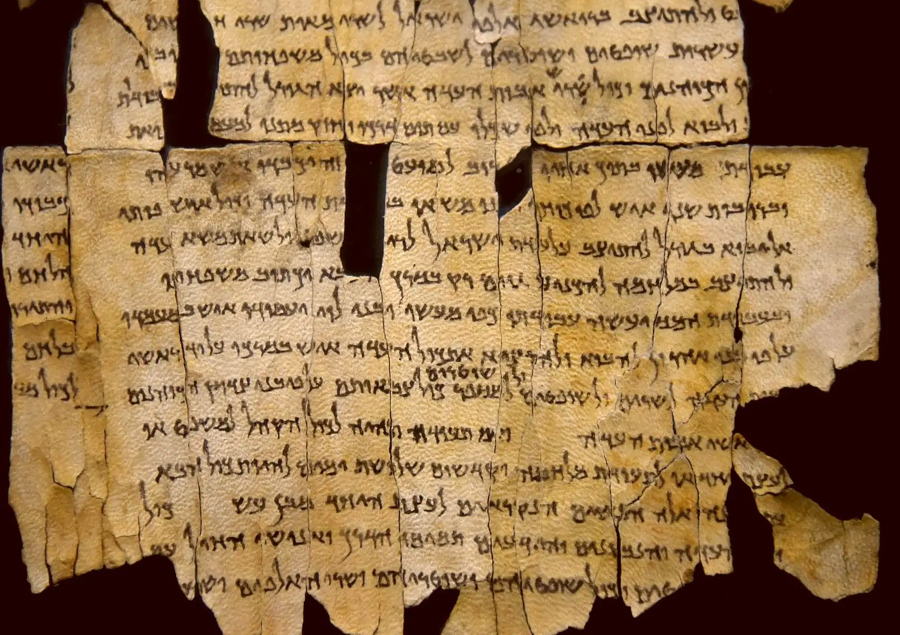
The Department of Chemistry and Industrial Chemistry will analyse organic materials to help determine where the Scrolls were produced
A rare geological event captured from space: 1.4 cubic kilometres of magma moving beneath the Earth’s surface
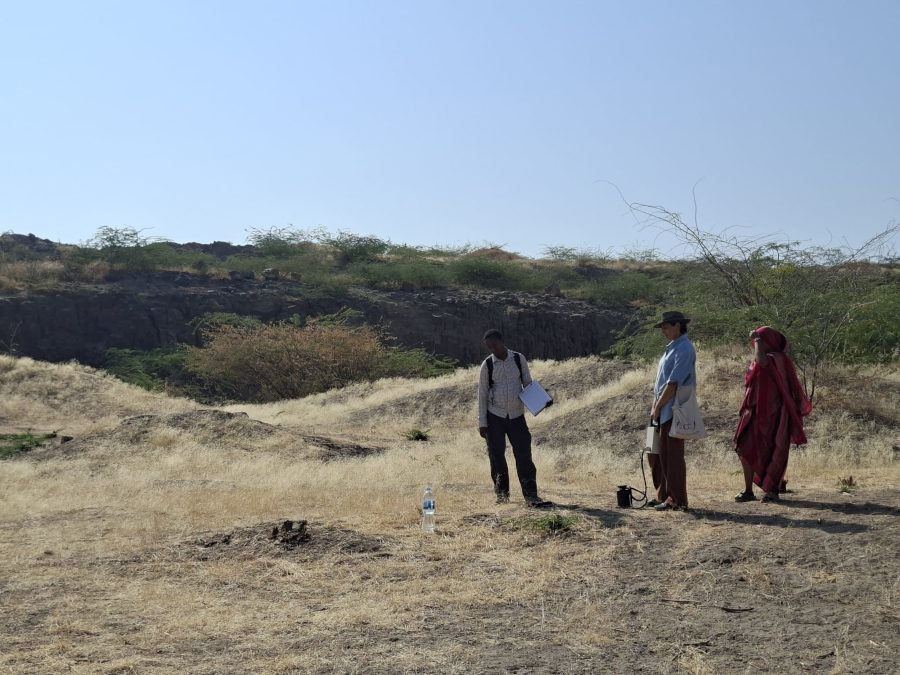
The magma travelled 50 kilometres underground without ever reaching the surface. The stud published in Science Advances
Urban pigeon population in Pisa falls by 60% over twenty years
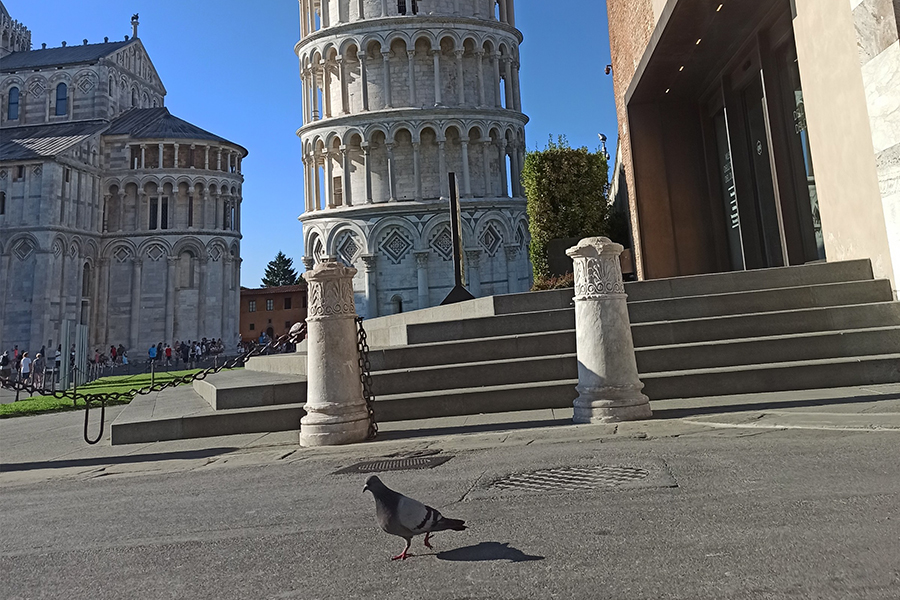
The study, conducted by the University of Pisa, shows that changes in the urban environment, including improved waste management, may have contributed to the sharp decline in the city’s pigeon population, offering a model that could be replicated in other cities
University of Pisa students set Guinness World Record with the world’s largest paper aeroplane
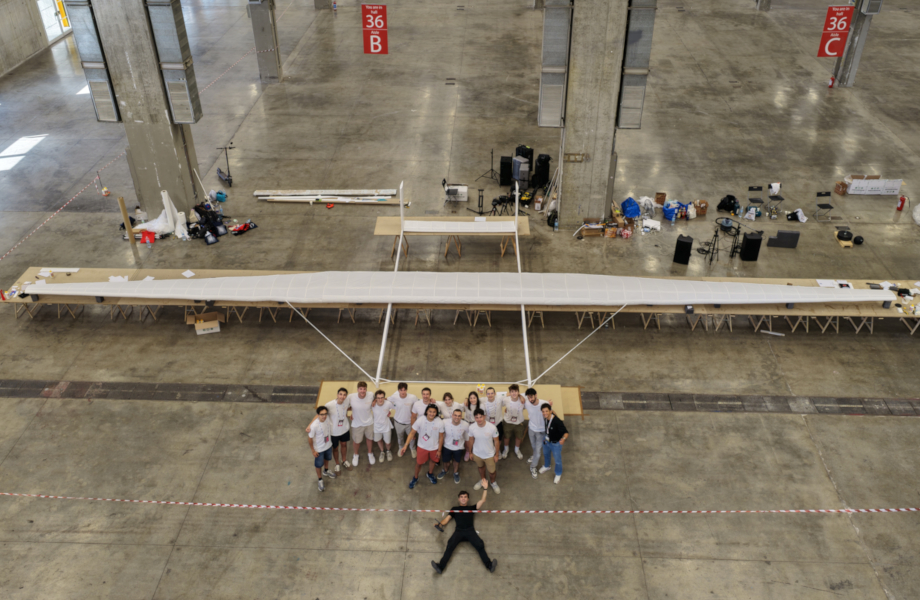
Built using only paper and glue, the aircraft had a wingspan of 20.04 metres and flew 59 metres. The initiative was supported and led by science communicator Jakidale