
 About Us Organisation Organisational Acts of the University of Pisa
- 20 Departments: structures responsible for pursuing the institutional objectives of teaching, research and the third mission;
- 8 University Centres: structures with their own resources as well as managerial and administrative autonomy, with the aim of promoting, coordinating and developing research and/or training activities, or for the management or provision of particularly complex services of general interest that permanently affect the University;
- 2 Interdepartmental Schools: structures responsible for ensuring coordination between multiple departments, with functions of coordination and rationalisation of teaching activities as well as management of common services;
- 3 Systems: – the University Museum System (SMA) is a unified and coordinated system of museum facilities responsible for the development, management and promotion of the University’s museum heritage and collections; – the University Library System (SBA) is a unified and coordinated system of library and document structures of the University, responsible for the development, management, use, promotion and conservation of the bibliographic and documentary heritage; – the University IT System (SIA) is a unified and coordinated system of IT facilities responsible for the organisation, management and development of the University’s IT services.
Main documents
- Regulatory Directive on the Organisation of the University (d.d. prot. no. 61 of 3 February 2026)
- Directive on the organisation of technical services for teaching, scientific and service facilities (d.d. prot. no. 42128 of 18 December 2014)
- Guidelines for the assignment of tasks to employees in the Executive and Highly Skilled Professional Areas (d.r. no. 863/2025 of 25 June 2025)
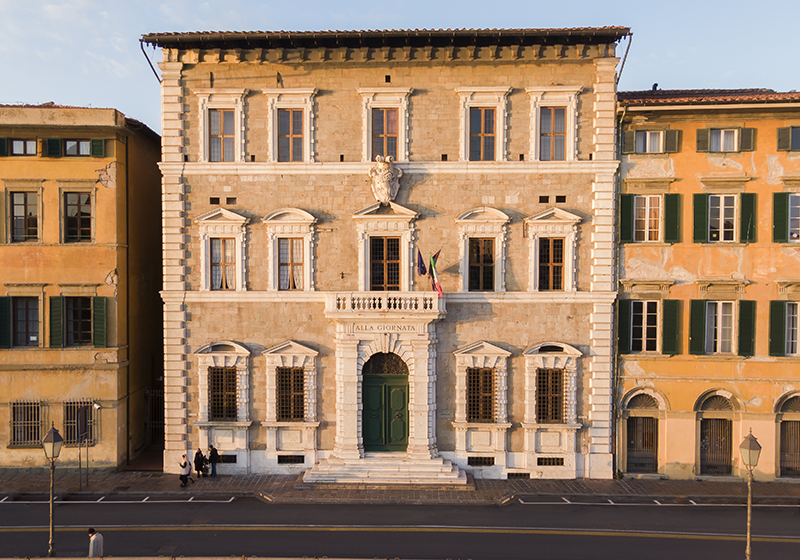
This section contains the University’s organisational charts, which are useful tools for visualising the hierarchical and functional relationships between the various organisational units and the staff.
The organisational charts provide a concise representation of the organisational structure, facilitating understanding of the reporting relationships, responsibilities and internal structure of the University.
Organisational and cross-departmental acts
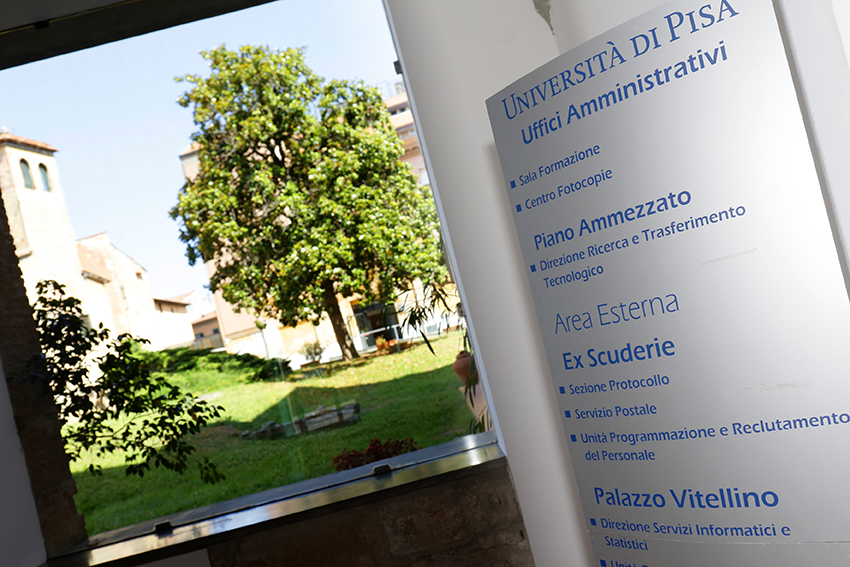

Frequently asked questions
This section contains answers to frequently asked questions about the University’s organisational documents and procedures/processes, divided into sections. The FAQs – which are constantly being updated – are a useful tool for quickly finding your way around, clarifying recurring doubts and obtaining essential information in a simple and immediate way. Consulting this section can facilitate access to services and simplify interaction with university structures.