

Used frying oils, discarded fishing nets, recycled carbon fibres: these waste materials are being transformed into components for the cars of the future, lighter and more sustainable. Innovative prototypes include insulating polyurethane foam panels that can also absorb, store and release heat, electrospun fabrics with antimicrobial properties for vehicle interiors, as well as bio-lubricants derived from used vegetable oils and biofuels that offer an alternative to fossil fuels. These are some of the results of the CO-SMART project, coordinated by the University of Pisa, which will be presented on 15 December at the Heritage Hub in Turin, at an event featuring researchers from universities and research centres alongside professionals from major companies in the sector, including Stellantis-CRF.
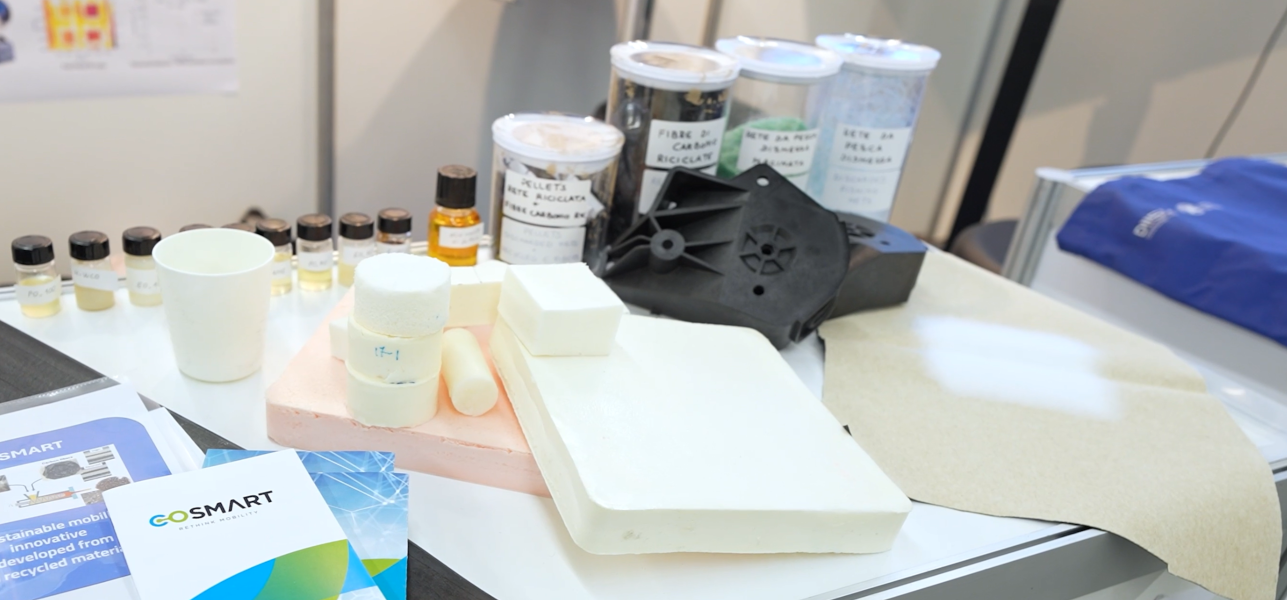
“All the materials developed were technically validated and underwent life-cycle analysis, which confirmed their lower environmental impact across all stages of production and use compared with similar materials or components derived from fossil sources or virgin raw materials. The results of this project — and of the projects launched within MOST — confirm how crucial collaboration between public research and industry is in transforming industrial waste into alternative materials to those currently in use, reducing waste and emissions without compromising quality and performance, as required in a demanding sector such as the automotive industry,” explains Professor Maurizia Seggiani of the Department of Civil and Industrial Engineering.
Funded under the Flagship A – CN4 MOST-PNRR call, CO-SMART (COmmunicating Sustainability: innovations in MAterial Recycling and new production Technologies for the automotive sector) has, alongside the University of Pisa, the Politecnico di Bari, the University of Bologna and the Università Politecnica delle Marche as project partners.