

Ninety-eight per cent of the large European multinational corporations analysed committed at least one alleged human rights or environmental abuse between 2000 and 2020. This is the picture that emerges from BRAVE, a new database that is now publicly available online and was developed within the framework of the European REBALANCE project, coordinated by the University of Pisa. The official BRAVE dataset launch event will take place on 23 January at 4 p.m. on Microsoft Teams.
The dataset documents 4,314 cases of alleged abuses involving 83 of the largest publicly listed European multinational companies, across 145 countries worldwide. Built through the systematic collection of data from the Business & Human Rights Resource Centre as its primary source, BRAVE classifies violations by type of abuse, country, affected victims, level of corporate responsibility — direct or indirect — and severity, enabling comparative and longitudinal analyses on a global scale.
The highest numbers of violations are recorded in Brazil and the United States, each accounting for 6% of cases, followed by Nigeria and Colombia with 5%. The most frequent types of abuse concern the environment and health, with more than one thousand cases of environmental harm and nearly eight hundred related to health issues, while labour rights violations occur in almost five hundred cases. The database also includes abuses of extreme severity, such as slavery, torture and human trafficking.
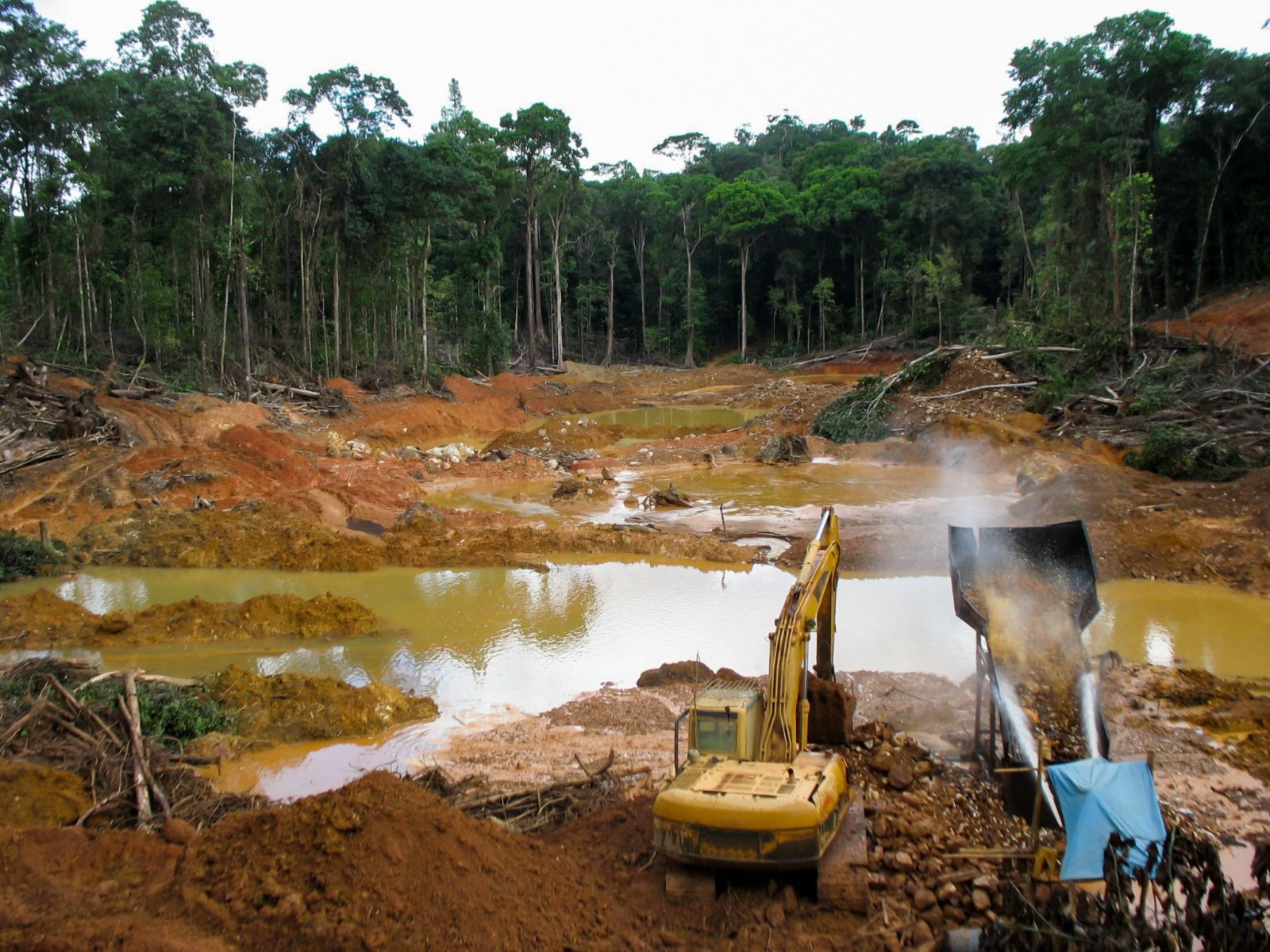
Temporal analysis reveals a sharp increase in abuses during the first decade of the 2000s, followed by a gradual decline after 2015, suggesting possible improvements in corporate accountability and regulatory oversight. From a geographical perspective, violations within Europe remain relatively limited, while those occurring outside Europe highlight the extraterritorial impact of multinational activities, often in contexts characterised by weaker regulation.
With regard to Italy, the database records 27 alleged human rights and environmental violations involving 12 companies from the analysed sample, three of which are Italian. The main victims are workers, affected in approximately 52% of cases, followed by local communities (around 41%) and children (about 7%). In terms of types of abuse, labour rights violations account for around 22% of the total, while deprivation of life and negative environmental impacts each represent roughly 19%. These are followed by discrimination (about 11%), child labour and intimidation (both around 7%), and negative health impacts (also around 7%). Corruption and restrictions of rights complete the picture, each accounting for around 4%.
Looking at the entire BRAVE database, four Italian companies are involved in 167 alleged human rights and environmental violations, approximately 5% of which occurred in Europe. In around 78% of cases (131), corporate involvement is direct. Of the 167 total violations, the main victims are local communities (about 83%), followed by workers (10%), activists and journalists (4%), children (2%), and finally consumers and clients (1%). In terms of types of violations, negative environmental impacts clearly prevail (around 35%), followed by negative health impacts (about 25%).
The database also highlights the role of global value chains: 56% of indirect abuses involve international suppliers and partners, while 33% entail collusion with third parties, including host states or their agencies. Overall severity is alarming: 83% of companies are involved in abuses of non-derogable rights under international law, and 89% of cases concern violations of individuals’ physical integrity. The main victims are workers, followed by local communities and children, but cases involving consumers, activists and journalists are also recorded.
“These data clearly show how the activities of large corporations can profoundly affect not only human rights and the environment, but also the quality of our democracies,” stresses Elisa Giuliani, Professor in the Department of Economics and Management at the University of Pisa and scientific coordinator of the REBALANCE project. “The BRAVE database was created to provide an accessible tool to understand when, how and why corporate economic power can turn into a systemic risk for fundamental rights and for citizens’ trust in democratic institutions.”
BRAVE was developed at the Department of Economics and Management of the University of Pisa by Federica Nieri, with the collaboration of Elena Assenza, Verdiana Morreale, Sanna Ström and Elisa Giuliani, together with more than fifty researchers, including several students from the University of Pisa, who contributed to the coding work.
Reference
Mapping corporate harm to human rights and the environment: The BRAVE database
(Nieri, Assenza, Morreale, Ström, Giuliani, 2025)
To download the database:
https://rebalanceproject.org/data/
https://zenodo.org/records/17776935