


A single protein acts as a true “survival switch” when oxygen becomes scarce, and this mechanism is shared by plants and animals, including humans. This is the key finding of an international study published in PNAS, involving the University of Pisa, the Scuola Superiore Sant’Anna and the University of Oxford. The research identified the molecular mechanism that is activated in the very first minutes of hypoxia, triggering the cellular defence response.
“We have shown that the initiation of the hypoxia response depends on a single molecular circuit based on one protein,” explains Beatrice Giuntoli, Professor in the Department of Biology at the University of Pisa and co-author of the study. “It acts like a switch: within the first few minutes, cells detect the lack of oxygen and immediately activate their defence mechanisms.”
“What is particularly interesting is that this molecular ‘trigger’ is not limited to plants,” Giuntoli adds. “A very similar protein is also present in humans and plays a role in how cells sense changes in oxygen levels. It is not the only system in humans, but in certain tissues it may play an important role, with very rapid timing, similar to what is observed in plants.”
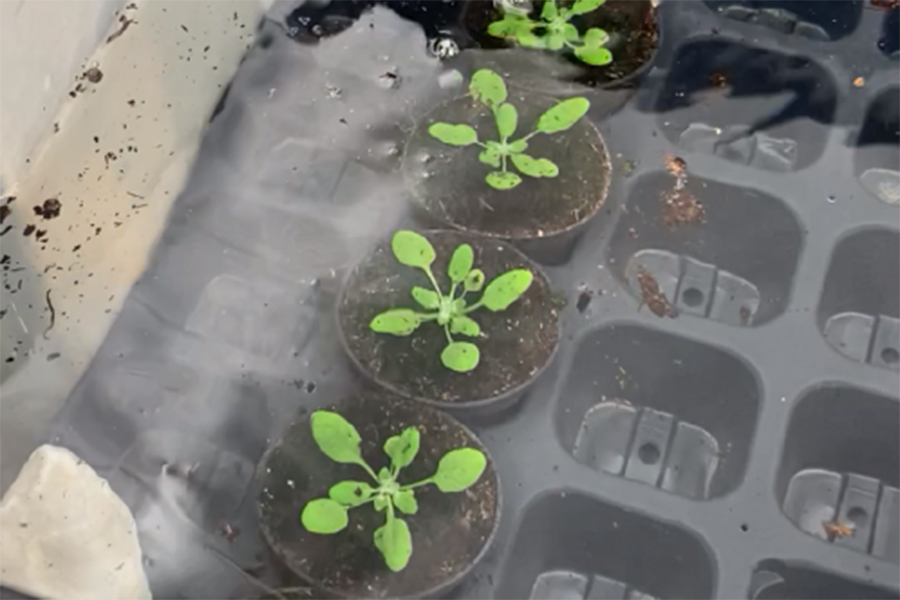
When oxygen levels drop, the ability to respond quickly is crucial. In plants, this initial signal is mediated by a family of enzymes known as Plant Cysteine Oxidases (PCOs), which act as molecular sensors and activate the genes required to adapt to stress. All other response mechanisms, already known, come into play only later, but it is this initial “trigger” that determines the effectiveness of the response.
A similar mechanism also exists in humans: it involves the ADO enzyme, a functional homologue of plant PCOs, which contributes to oxygen sensing in tissues.
“The innovation of this research also lies in its methodology,” Giuntoli continues. “To isolate and study this mechanism in its simplest form, we used an innovative synthetic biology approach: we essentially ‘transplanted’ the molecular circuit from plants into yeast cells, an organism that does not naturally possess this system. This allowed us to observe the circuit’s behaviour directly, without interference, and to demonstrate that it alone is sufficient to initiate the hypoxia response.”
The experiment showed that the response is activated extremely rapidly — within approximately five minutes — confirming that the earliest moments are crucial for cellular survival. Only afterwards do other mechanisms intervene to amplify and stabilise the response.
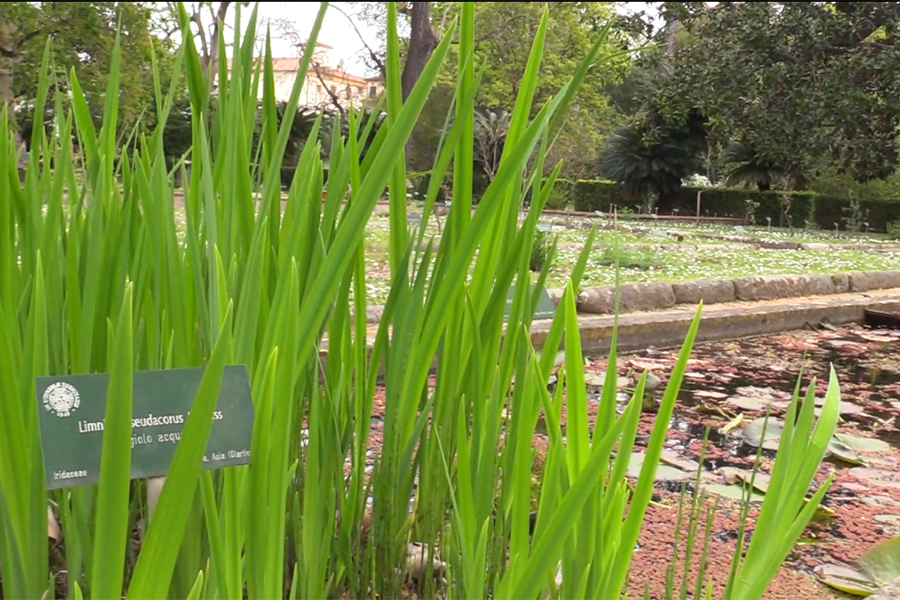
“In plants, oxygen deprivation is a frequent condition, for example during flooding,” Giuntoli concludes. “In these contexts, the speed of the response can make the difference between life and death.”