

Contrary to long-standing assumptions, girls in medieval Tuscany were not disadvantaged in the first years of life. In fact, they were breastfed for longer than boys. This is the finding of an international study involving the University of Pisa, offering a new perspective on the historical imbalance between males and females in the Middle Ages. The study, published in the international journal PLOS ONE (Public Library of Science), is the result of a two-year collaboration between McMaster University and Trent University (Canada) and the University of Pisa (Department of Translational Research and New Technologies in Medicine and Surgery).
Starting from historical and archaeological evidence indicating a numerical predominance of males in the medieval period, the researchers asked a key question: could this imbalance be the result of lower levels of care or discriminatory practices against girls in early childhood?
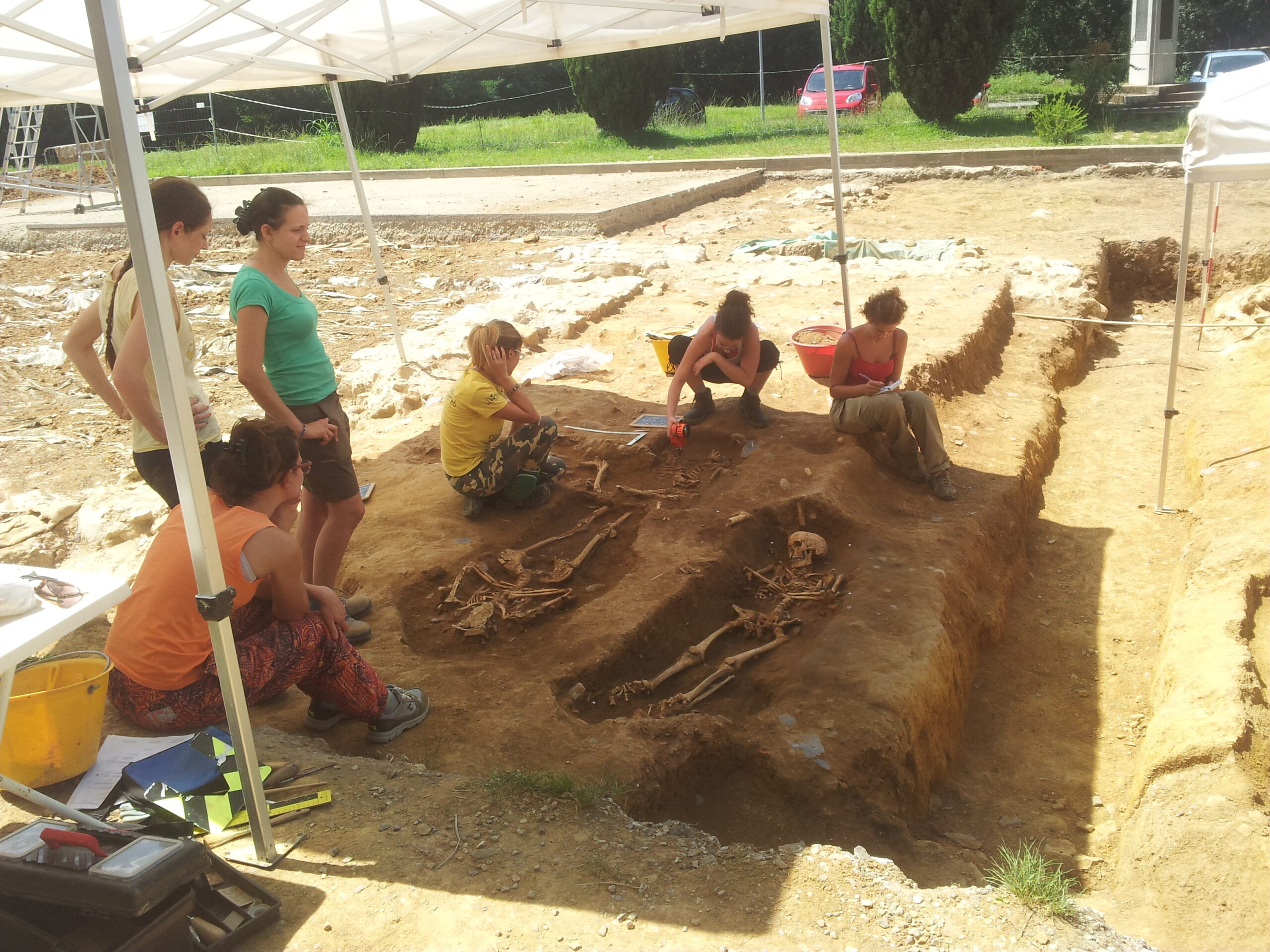
To answer this, the study analysed stable carbon and nitrogen isotopes in the dentine of teeth from individuals belonging to three medieval Tuscan communities (Aulla, Badia Pozzeveri and Montescudaio), who lived between the 11th and the 15th centuries. Because dentine preserves the chemical signal of the period in which it forms and does not remodel over time, it was possible to reconstruct breastfeeding and weaning patterns with a high degree of precision.
The results are particularly significant: girls were breastfed for longer than boys. While boys were typically weaned at around 2.2 years of age, girls continued breastfeeding until approximately 2.7–3 years of age. Moreover, no differences were found in diet after weaning, indicating that boys and girls had access to the same food resources.
These findings lead to an important conclusion: the higher female mortality observed in the Middle Ages cannot be explained by discrimination in early childhood. On the contrary, girls received at least equal — if not greater — parental investment in terms of breastfeeding. The causes of the gender imbalance must therefore be sought in later stages of life, such as adolescence.
The study also offers insights into the social context: boys appear to have been encouraged to become independent earlier, while girls remained longer within the domestic environment, under maternal care, thereby benefiting for a longer period from the nutritional properties of breast milk.
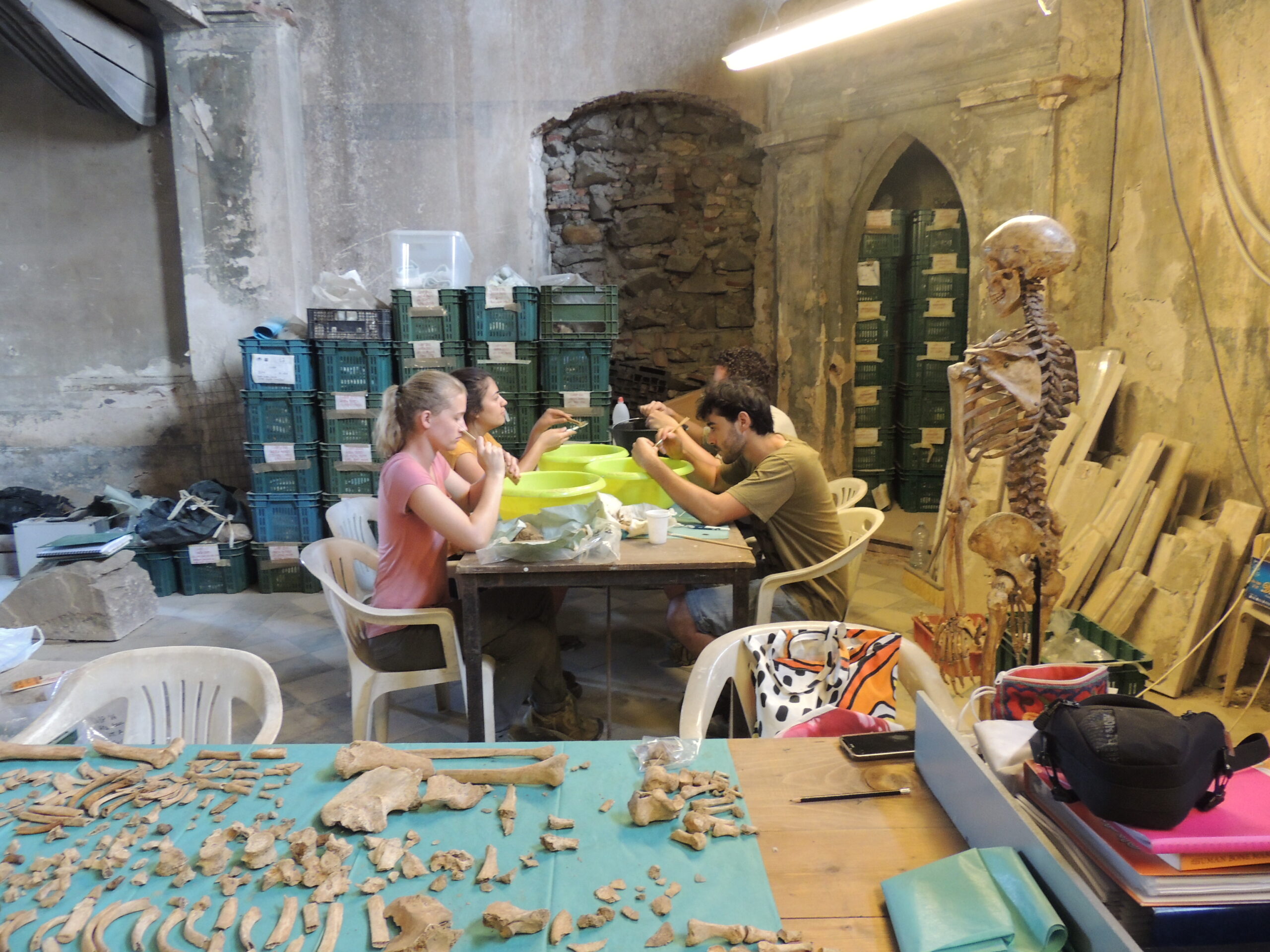
The University of Pisa played a key role by providing the samples, overseeing sampling procedures, and conducting the bioarchaeological analysis of the osteological remains, thanks to its collaboration with the Italian Ministry of Culture’s heritage protection authorities (SABAP LU).
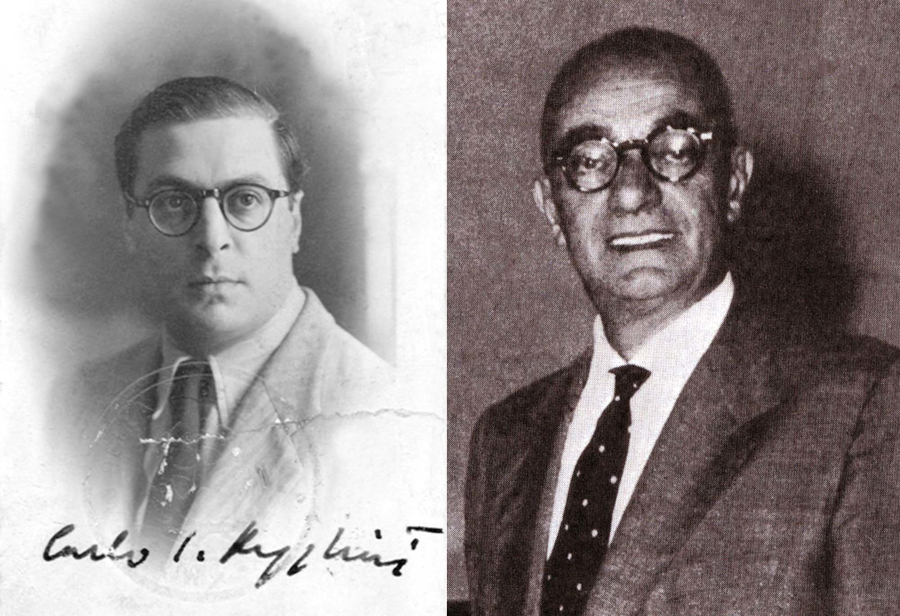
The study involved Professor Antonio Fornaciari and Professor Valentina Giuffra, members of the Division of Paleopathology. The first author is Alessio Amaro, a PhD student trained at the University of Pisa and currently based at McMaster University, where he was awarded the prestigious Saunders-Koloshuk Scholarship in Anthropology.
Under the supervision of Tracy Prowse, one of the leading international experts in the application of stable isotopes in archaeology, Amaro developed a study that opens new perspectives on understanding childhood in the past.
“What motivated me to carry out this research,” says Amaro, “was the desire to solve a real mystery: the apparently unusual predominance of males over females in the Middle Ages. No one had ever approached this issue from the perspective of children, who are often invisible in historical sources.”
Beyond its scientific value, the research has broader implications. The study of breastfeeding and weaning practices helps us better understand the role of childhood in past societies and reflect on gender dynamics — an issue that remains highly relevant today. In some parts of the world, such as China, India and South Korea, significant demographic imbalances between males and females persist, with serious social consequences.