

A name deliberately erased from a rare seal more than three thousand years ago has now come to light thanks to the fourteenth excavation campaign of the Italian Archaeological Mission at Uşaklı Höyük in central Anatolia, coordinated by the University of Pisa together with its Turkish partners. It is the only Italian-led archaeological mission currently active at a Hittite site in the ‘Upper Land’, the heartland of the Hittite kingdom and later empire.
Archaeologists discovered a stone stamp seal bearing an inscription in Anatolian hieroglyphs that had been deliberately abraded—an intentional act probably intended to erase the identity, role or authority of its owner. By studying the traces that survived beneath the abrasion, however, specialists were able to recover and read the name inscribed on the seal, opening new avenues for research into the history of the site and the dynamics of power in the Hittite world.
The seal was found in the area of the so-called Circular Structure, a monument whose function is still under investigation. The findings provide further support for the hypothesis that Uşaklı Höyük corresponds to ancient Zippalanda, a sacred city of the Storm God and a destination for pilgrimages by the Hittite royal court, as well as one of the major religious centres of Late Bronze Age Anatolia.
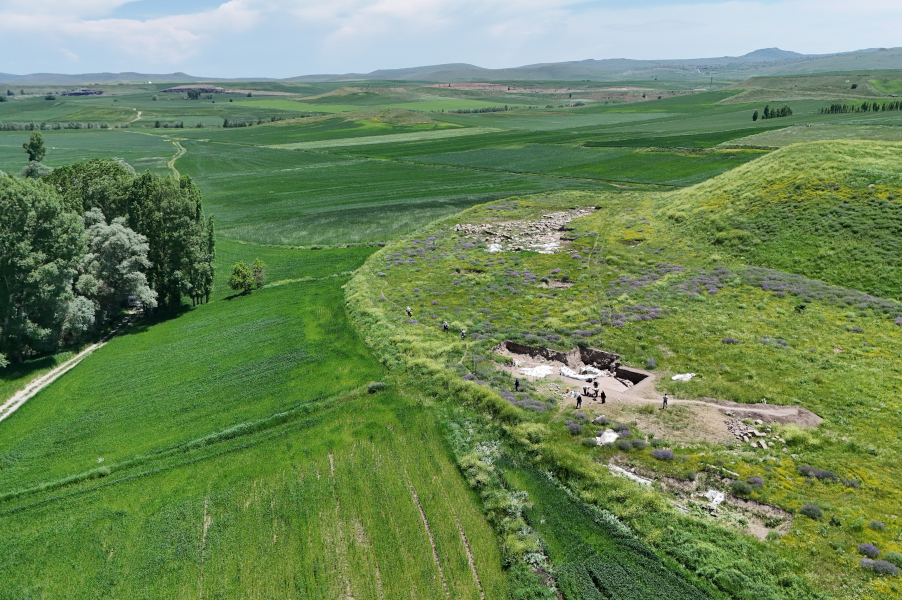
Alongside the seal, the 2026 excavation campaign yielded another important discovery. At the summit of the citadel, archaeologists identified the remains of a possible monumental building destroyed by fire. Its size and construction features make it markedly different from the few dwellings uncovered at the site so far, and it may represent the first evidence of a new phase of monumental development of the citadel during the Middle Iron Age, several centuries after the abandonment of the public buildings of the Hittite period. If this chronology is confirmed by future excavation campaigns, the discovery could reshape our understanding of the site’s history and of changes in the political and settlement patterns of central Anatolia during a period that remains poorly understood.
Excavations in the area of the Circular Structure also yielded abundant evidence of ritual activity: layers of ash, animal bones, fragments of fine pottery and vessels used for libations, all of which further support the hypothesis that the area was used for ceremonial purposes. Among the finds are decorated fragments depicting the head of a bull, an animal closely associated with the cult of the Storm God, one of the principal deities of the Hittite pantheon.
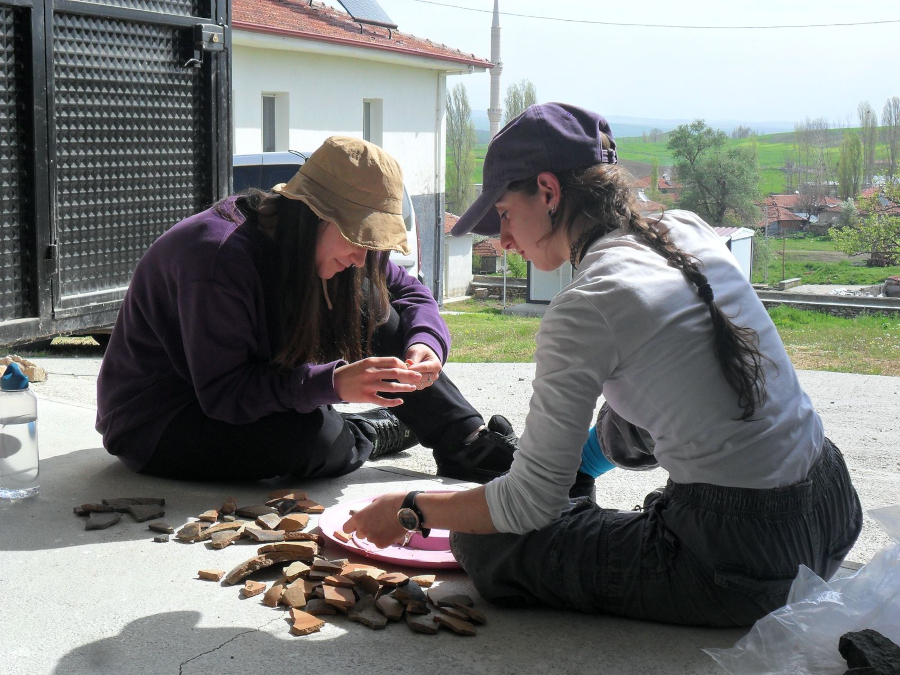
The Italian-Turkish project at Uşaklı Höyük brings together two mutually reinforcing strands: long-term archaeological research and an extensive network of international cooperation, aimed at reconstructing the development of the settlement and placing it within the broader history of central Anatolia and the Hittite world.
Ongoing projects are reconstructing the communication networks of second-millennium BC Anatolia, the evolution of the landscape and the dietary practices of the ancient city’s inhabitants through the study of seeds, animal remains, cooking pottery and installations used for food preparation. Together, these data are providing an increasingly detailed understanding not only of major historical events, but also of the everyday lives of the communities that inhabited the site for millennia.
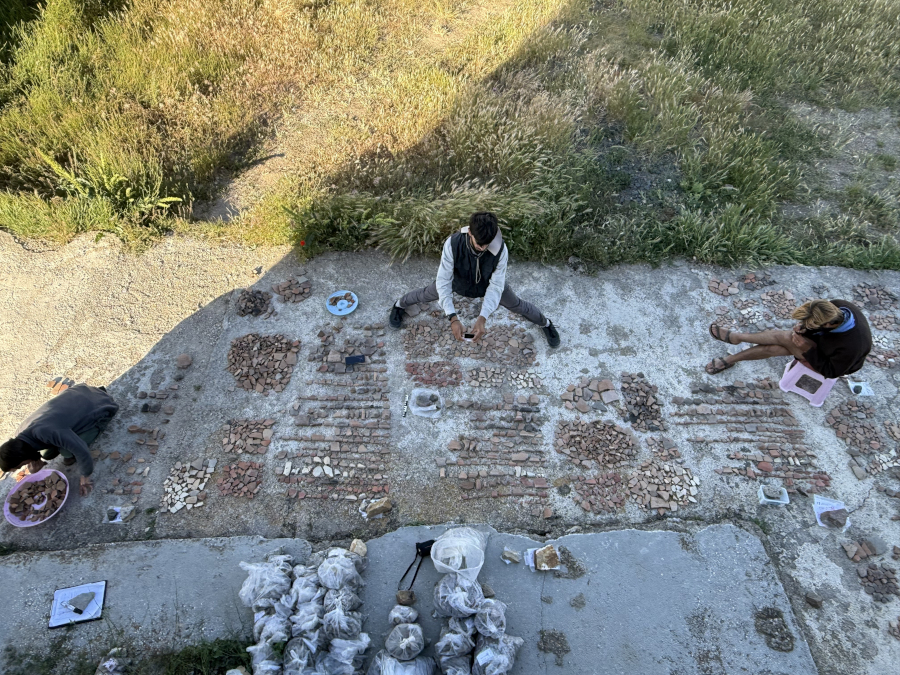
The project, coordinated by the University of Pisa in collaboration with numerous Turkish and European institutions, represents an important example of international scientific and academic cooperation. Research activities are being conducted under a permit granted to the University of Pisa by the General Directorate of Cultural Heritage and Museums of the Ministry of Culture and Tourism of the Republic of Türkiye.
The 2026 excavation campaign was made possible with the support of the Foundation for the Mediterranean East, the Italian Ministry of Foreign Affairs and International Cooperation, and the University of Pisa through the ProArcheo 2026 programme.
Further information on the project is available on the website of the Department of Civilisations and Forms of Knowledge.