

On the occasion of Circle U. Climate Day, promoted by the European University Alliance Circle U. to mark Earth Day, the University of Pisa organised an event at the Museum of Natural History, set within the historic Charterhouse of Calci. The initiative was conceived as a moment of dialogue between the research community and local stakeholders, including public administrators, technical experts and local representatives. The discussion focused on the challenges posed by climate change in more fragile and less urbanised areas, with the aim of sharing knowledge, experiences and possible strategies for adaptation and mitigation.
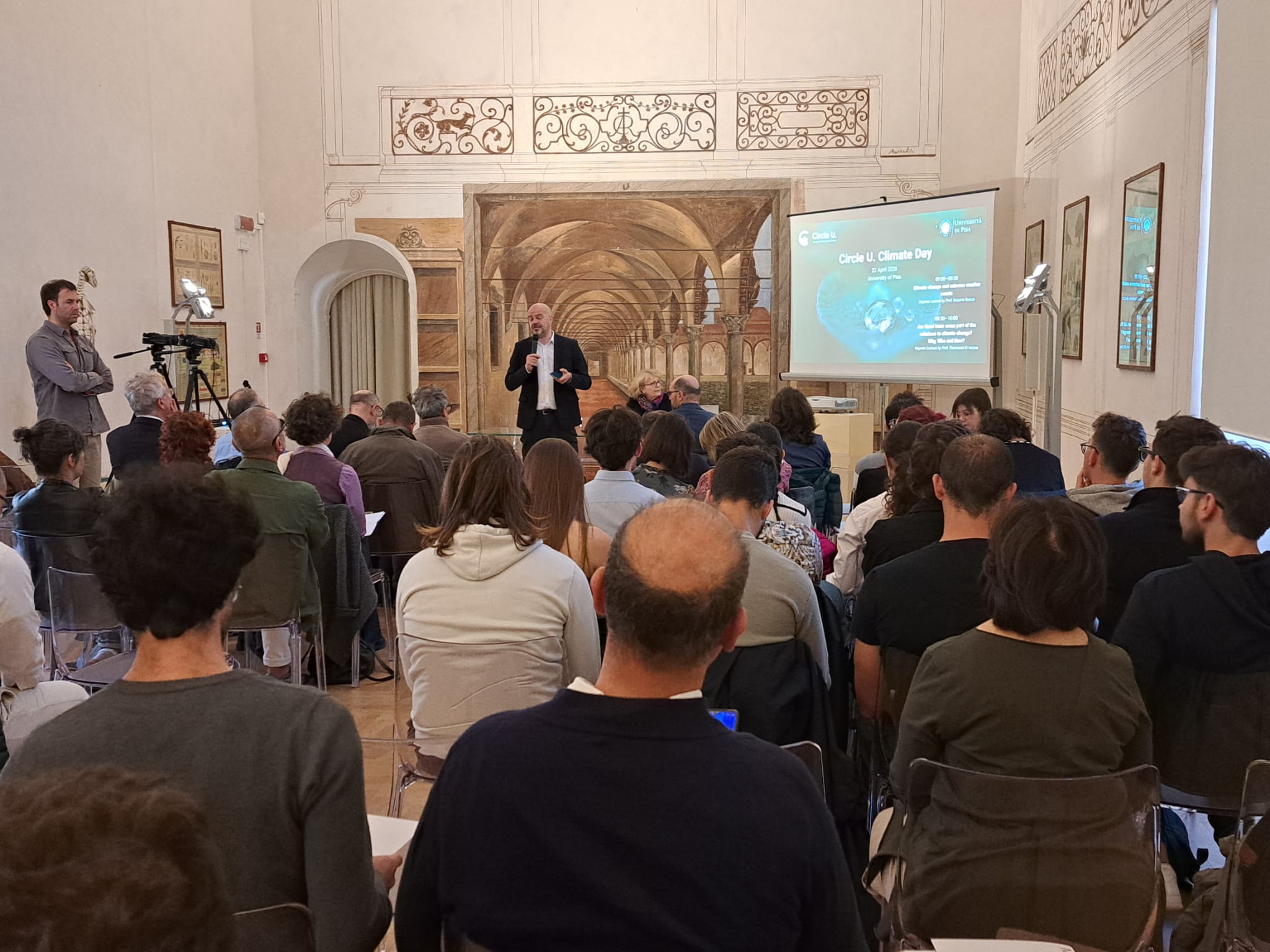
The event, coordinated by Professor Alessio Cavicchi, the Rector’s Delegate for the promotion and organisation of Circle U. Alliance activities, was organised in collaboration with CIRSEC, the Interdepartmental Centre for the Study of Climate Change Effects at the University of Pisa. It attracted broad and active participation from institutions, local stakeholders and the academic community. The event opened with remarks from Rector Riccardo Zucchi, who highlighted the strategic role of universities in building bridges between scientific knowledge and the needs of local communities, particularly in addressing the challenges of climate change.
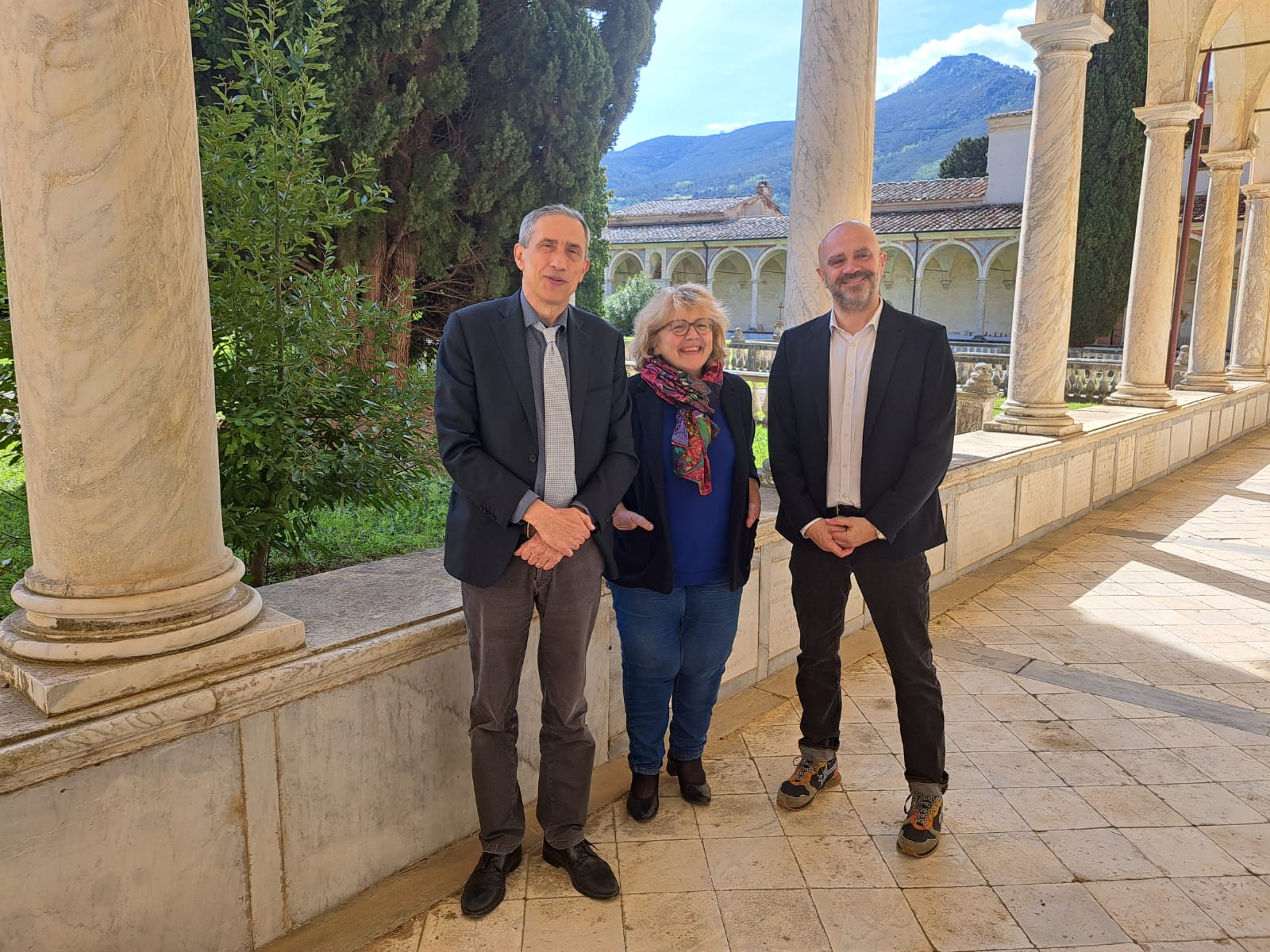
Following a welcome from Professor Elena Bonaccorsi, Director of the Museum of Natural History, the opening session featured presentations by Carlo Buizza and Francesco Di Iacovo. Their lectures, entitled “Climate change and extreme weather events” and “Are rural inner areas part of the solutions to climate change? Why, who and how?”, were also streamed online, enabling participation from the wider Circle U. international community and reinforcing the European dimension of the initiative.
A large and highly qualified group of institutional representatives attended the event, including mayors Matteo Ferrucci (Vicopisano), Graziano Pacini (Pomarance) and Fabio Tedeschi (Lajatico), the Deputy Mayor of Calci, Valentina Ricotta, as well as councillors and representatives from the municipalities of Cascina and Calci, and the President of the City Council of San Miniato.
They were joined by numerous local stakeholders, including representatives of the Rural District of Monte Pisano and the Pisa Plain, the Consorzio 4 Basso Valdarno, the Monte Pisano Forest Community, trade associations (Camera di Commercio Toscana Nord-Ovest, CNA), and organisations engaged in local development (GreenGea snc).
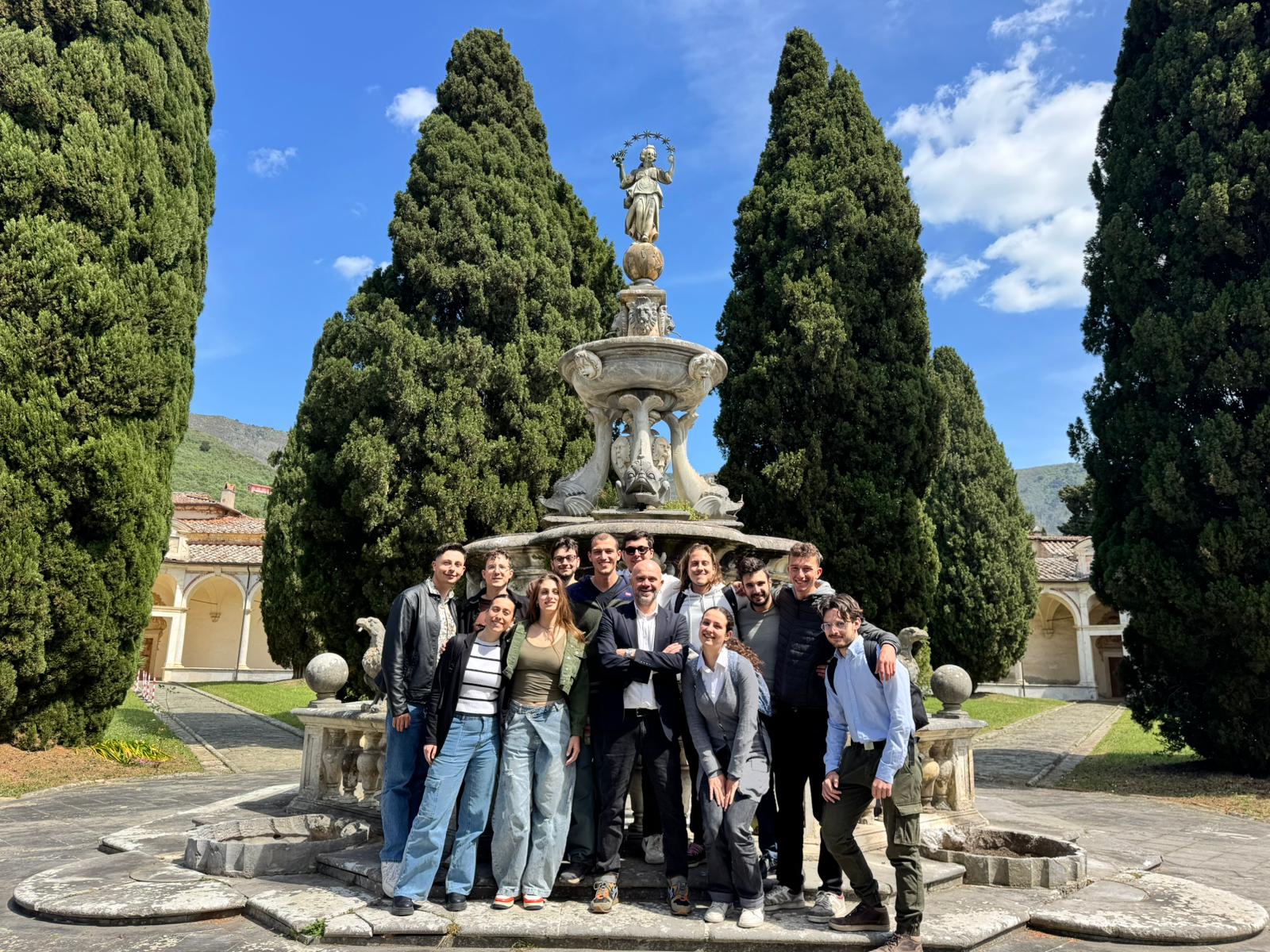
The day also saw strong participation from students, particularly from the Departments of Earth Sciences and Agricultural, Food and Agro-Environmental Sciences, who actively contributed to discussions and helped foster dialogue between research and local communities.
“From an organisational perspective, the event was particularly innovative because it included an international session held in English and streamed online, offering a general framework that was then explored at the local level,” said Professor Alessio Cavicchi at the end of the event. “A very positive aspect was the strong presence of local stakeholders already engaged in addressing real-world challenges, from hydrogeological instability to agriculture and the enhancement of territorial and cultural heritage. Participants clearly expressed the need to establish ongoing and transparent forms of dialogue between universities and local communities, involving public administrations, businesses and citizens. Often, what is missing is direct knowledge of existing solutions — sometimes already tested in other contexts — that could be effectively adapted and applied to new areas.”
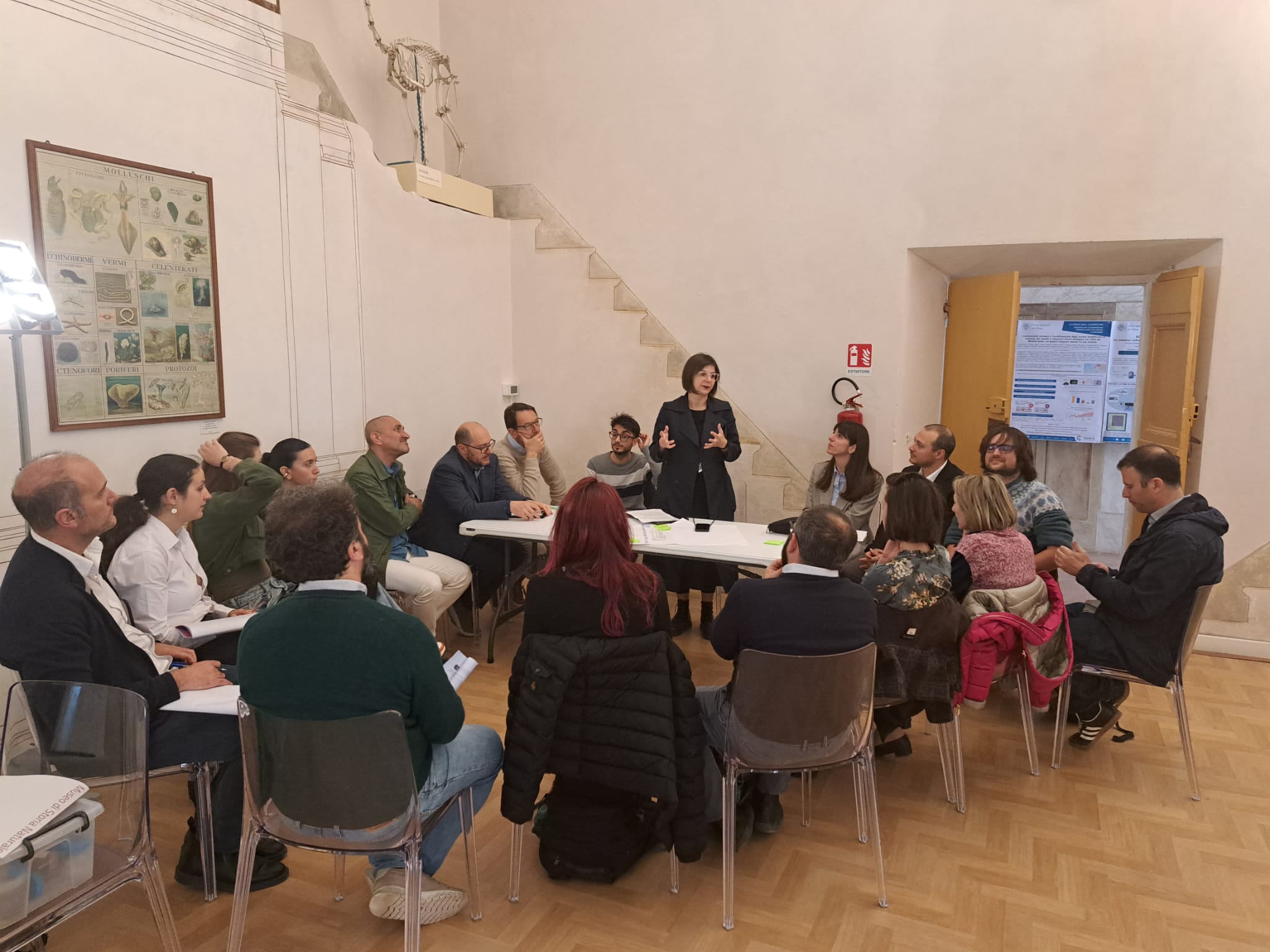
Following the plenary session, participants were divided into thematic working groups focusing on climate and territory, agricultural innovation, and the strengthening of local communities. The discussions highlighted a clear need among local administrations to strengthen links with the research sector in order to gain easier access to knowledge, tools and innovative solutions.
Key needs identified included improved systems for monitoring climate phenomena, the enhancement of local energy resources such as geothermal energy, and more integrated approaches to land management, including addressing issues such as urban heat islands effects.
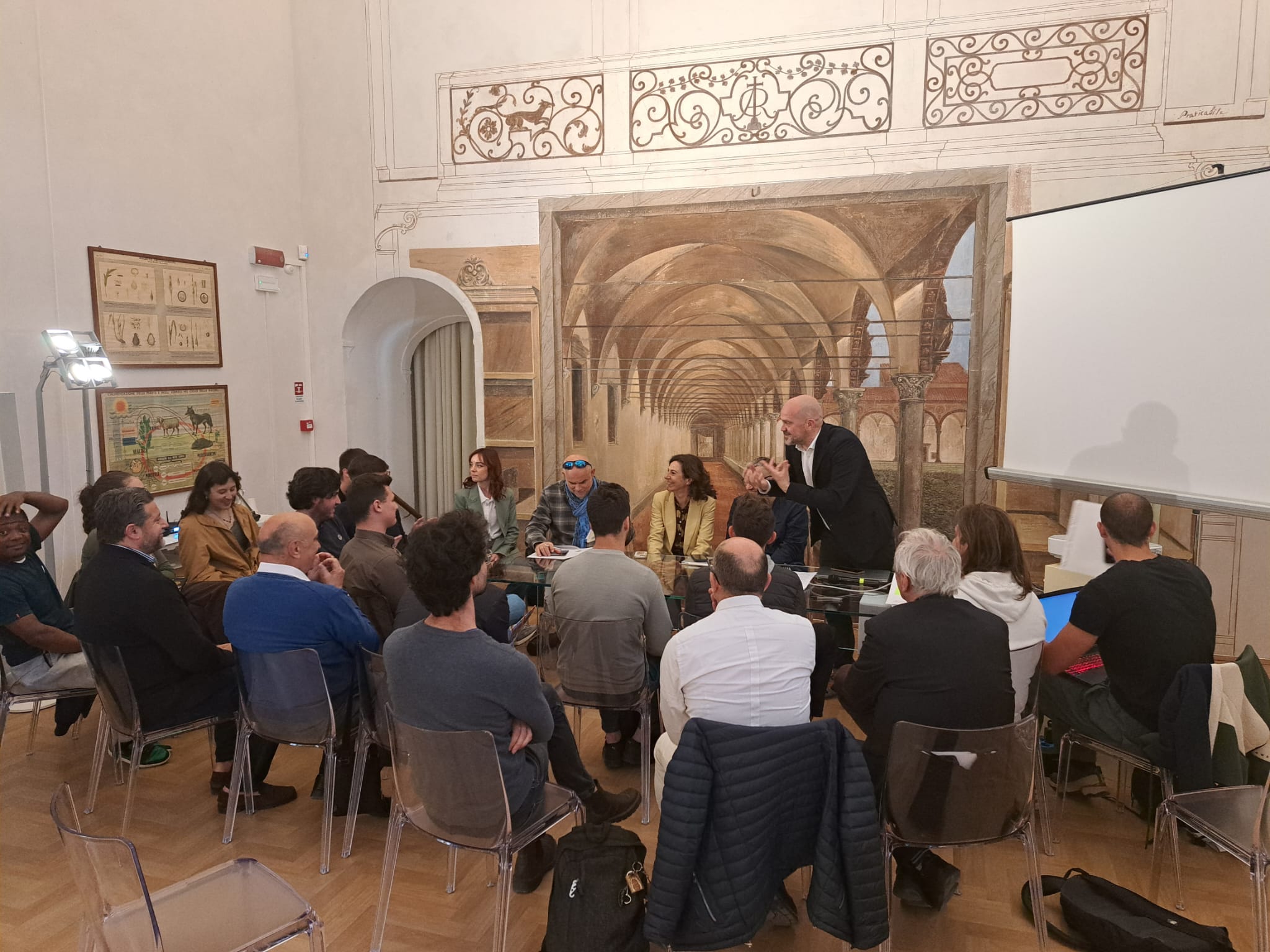
In the agricultural sector, interest emerged in the adoption of advanced technologies such as robotics and artificial intelligence, alongside a clear demand for training and support to facilitate their practical implementation on farms. Participants also stressed the importance of strengthening community engagement and creating permanent spaces for dialogue, such as living labs, to ensure continuity beyond the event.
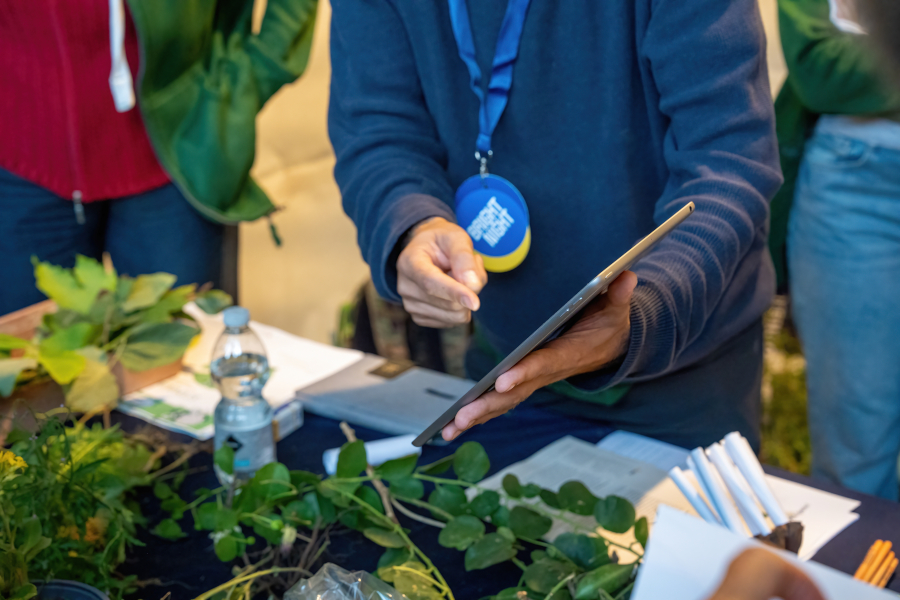
The day also featured a poster session by researchers from the University of Pisa, who were invited to present contributions going beyond the analysis of climate change impacts to propose concrete strategies, technologies, models and solutions applicable to inland and vulnerable areas.
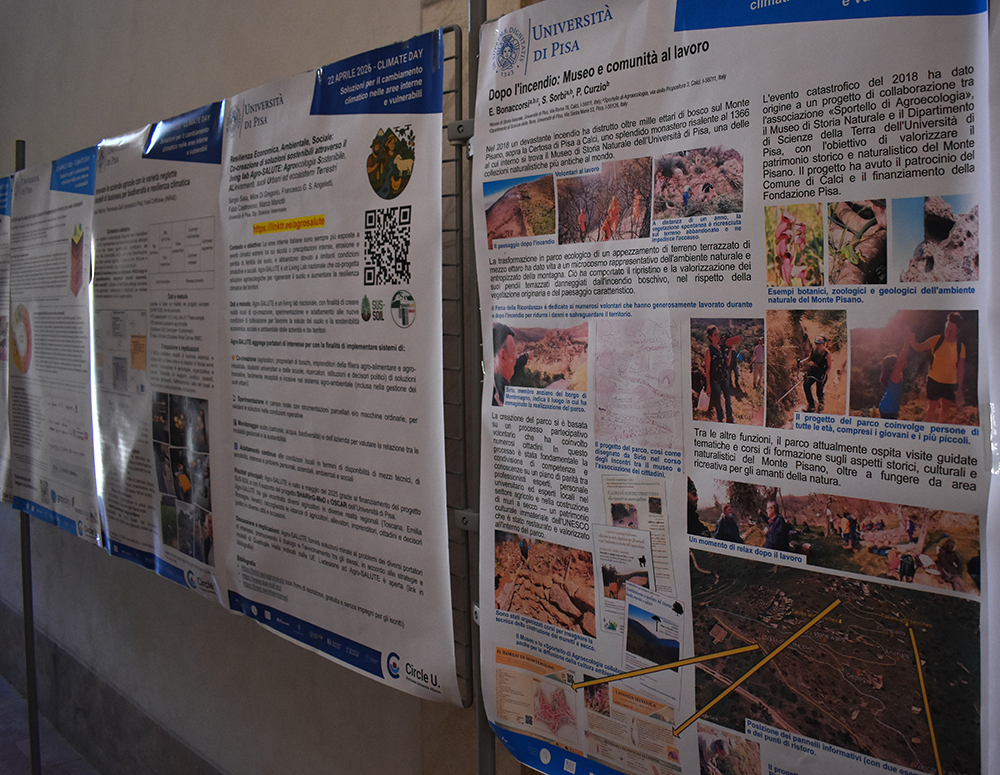
Overall, the Climate Day confirmed its role as a concrete opportunity for exchange and collaboration, successfully bringing together scientific expertise and local needs, with the aim of developing shared and sustainable responses to climate change.
The event’s Scientific Committee included:
Elena Bonaccorsi, Monica Bini, Gianluca Brunori, Alessio Cavicchi, Francesco Di Iacovo, Stefano Galatolo, Michela Lazzeroni, Marco Macchia, Cristina Nali, Enza Pellecchia, Damiano Remorini and Giovanni Zanchetta.