

SOURCE — Sustainable and innOvative blUe food pRoduCtion under one hEalth approach — is a new research project coordinated by the University of Pisa that aims to make aquaculture more sustainable by reducing the use of antibiotics through naturally derived phytobiotics, such as essential oils. The project has been funded by the Italian Science Fund (FIS2 – ERC-like) with over €1.3 million and will run for three years, from 2026 to 2029, with the University of Pisa acting as the lead institution.
The goal of SOURCE is to develop innovative aquaculture models inspired by the “One Health” approach, which integrates animal welfare, environmental protection and food safety. At the heart of the research is the study of the effectiveness of essential oils derived from lemon, thyme and rosemary as alternatives to antibiotics. In particular, by combining nutritional, ecotoxicological and immunological approaches, the project will assess the oils’ effects on key Mediterranean aquaculture species such as gilthead seabream, mussels and clams. More broadly, reducing antibiotic use means tackling antimicrobial resistance, limiting the spread of pharmaceutical residues in ecosystems, and offering consumers safer and more sustainable food products. .
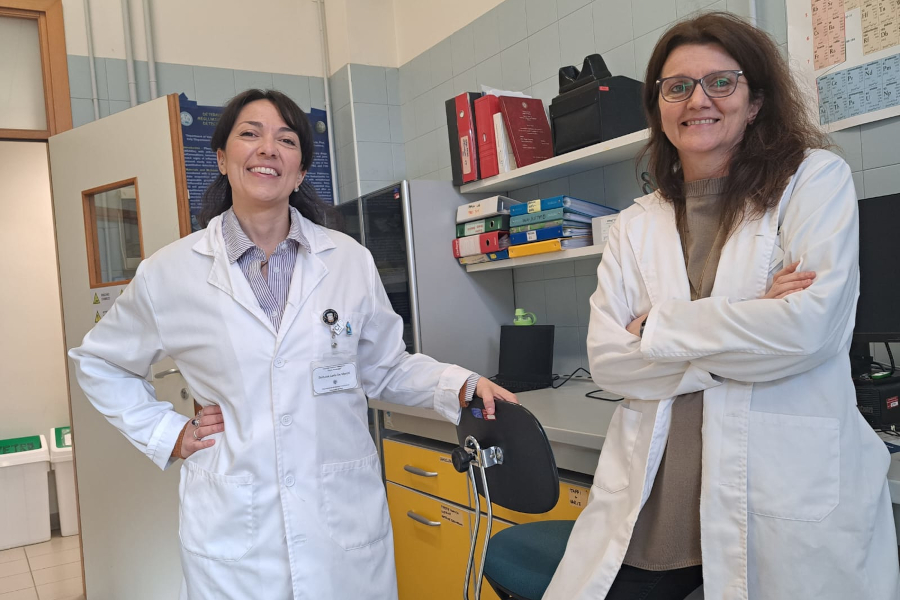
“Italy, together with Spain, France and Greece, is among the European countries with the greatest number of fish farms,” explains Professor Valentina Meucci of the Department of Veterinary Sciences of the University of Pisa. “This is combined with the fact that demand for products from this sector has increased by 122% over the past ten years. This growth inevitably goes hand in hand with greater antibiotic use, which can have negative consequences for human health, highlighting the need to intervene.”
The SOURCE project is led by Professor Lucia De Marchi, a researcher in the Department of Veterinary Sciences at the University of Pisa. She will coordinate a multidisciplinary programme based on in vitro and in vivo studies, ecotoxicological analyses and nutritional assessments, with the aim of defining concrete guidelines for more sustainable aquaculture.
De Marchi is a 37-year-old biologist with an international PhD obtained in Portugal who works alongside Professor Meucci in the Veterinary Pharmacology and Toxicology Laboratory and is the author of more than one hundred scientific publications. Her research activity, conducted in both Italy and Portugal, focuses on the impact of marine contaminants and the risks associated with antibiotic use in aquaculture — topics that fuel her interest in innovative, nature-based solutions such as phytobiotics.
“SOURCE is not only a scientific project, but also a pathway of social responsibility,” stresses Lucia De Marchi. “Alongside our research into phytobiotics, we place a strong emphasis on outreach and dialogue with coastal communities and industry operators because sustainable aquaculture concerns everyone. It is a key lever for ensuring healthy food, protecting the marine environment and building a food system that is genuinely future-oriented. We therefore hope to bring healthier products to the market and to commercialise these alternative feeds by involving the entire seafood supply chain, from producer to consumer.”