

The “Learning Effective Approaches in Development” (LEAD) course took place at the University of Oslo from 18 to 22 May 2026. Promoted within the framework of the European Alliance Circle U. and funded through the Alliance’s Seed Funding programme, the course was coordinated by Professor Dan Banik, Professor of Political Science at the University of Oslo and Director of Circle U.’s Democracy Hub. It was preceded by an introductory online session held on 4 May.
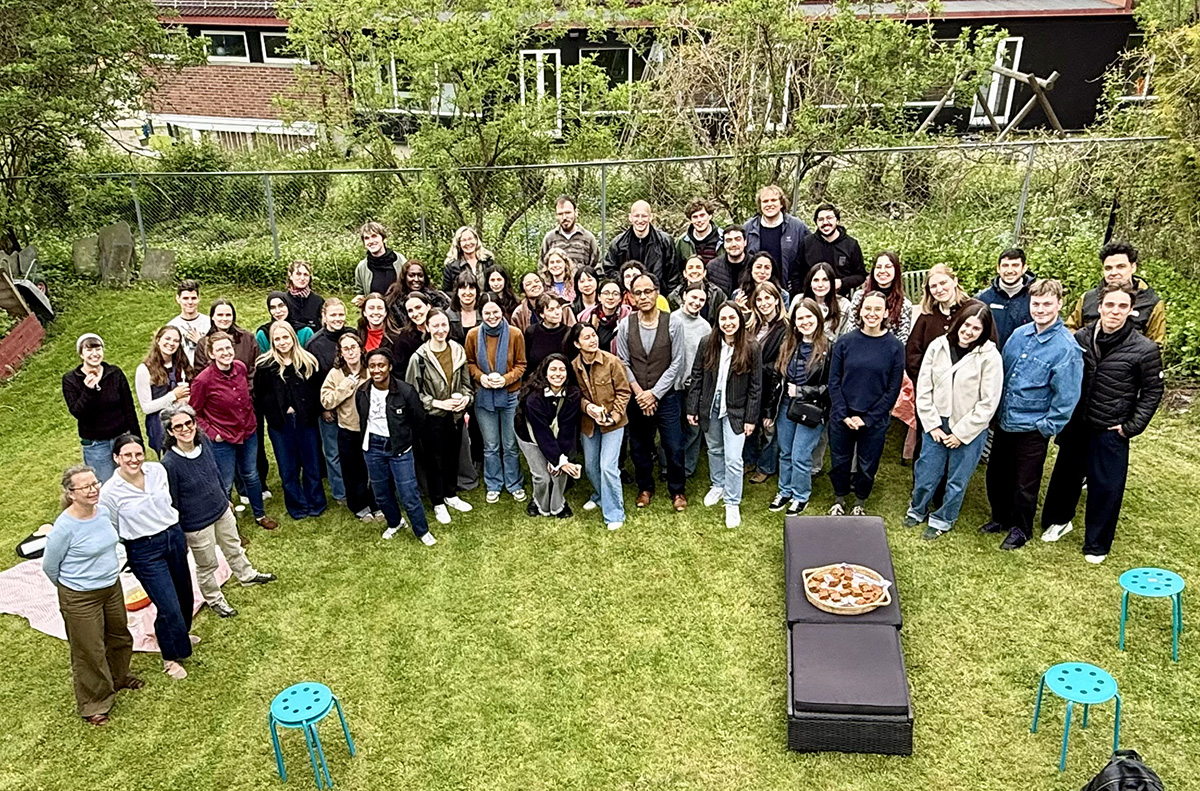
More than 60 students from Circle U. partner universities took part in the initiative, engaging in a week of lectures, discussions and group work focused on development, democracy, sustainability and inclusion. The aim was to analyse, from an interdisciplinary perspective, policies and practices capable of improving the wellbeing of vulnerable communities and promoting equitable and sustainable development.
Among the participants were three students from the University of Pisa, including Francesca Maria Scaletta, a second-year student of the Master’s Degree course in Peace Studies (Humanitarian Cooperation), and Francesco Del Monaco, a second-year student of the Master’s Degree course in Digital Humanities. Their reflections on the experience in Oslo are presented below.
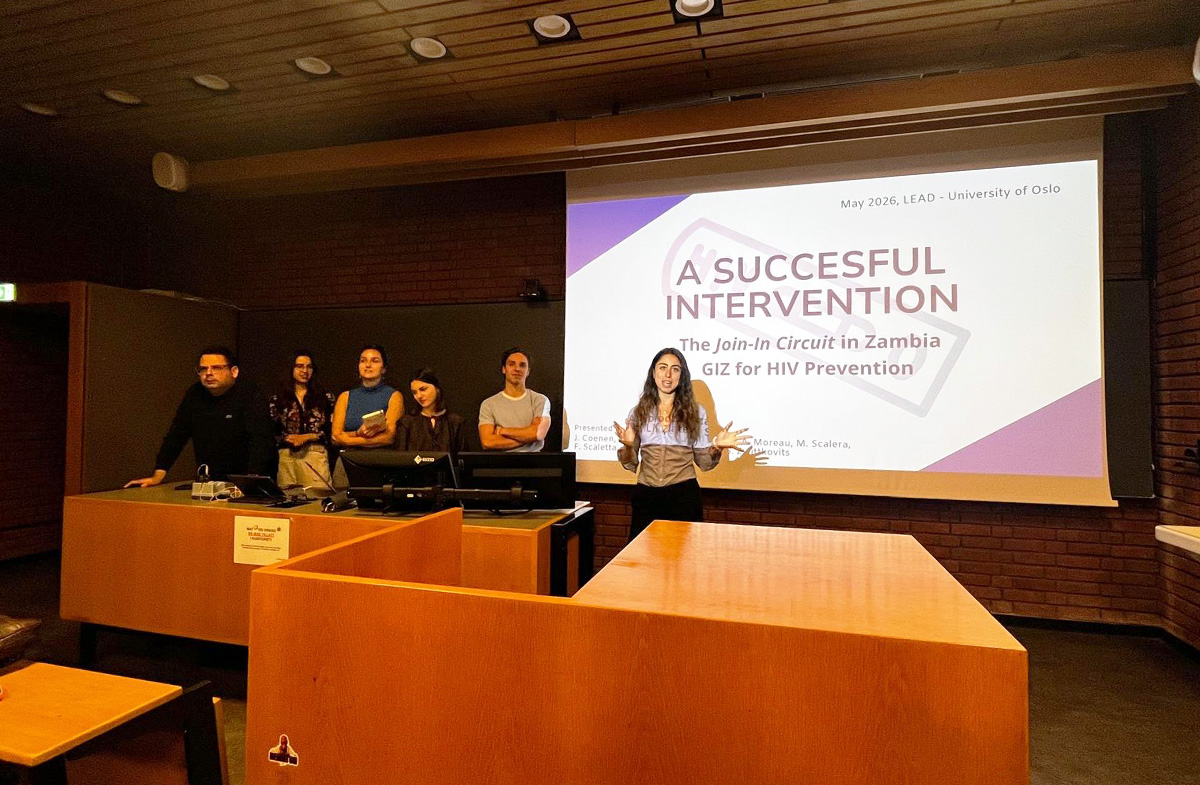
The University of Pisa was also represented by Professor Lara Tavoschi and Professor Angioletta Sperti, who delivered lectures as part of the LEAD course. Lara Tavoschi, Associate Professor of General and Applied Hygiene, gave a lecture on the co-design of health-promotion interventions with people in detention, highlighting the value of directly involving beneficiaries in shaping prevention and health-promotion strategies. Angioletta Sperti, Full Professor of Comparative Public Law, presented the case of the Tuscan regional law on participation, illustrating the role of participatory democracy in fostering inclusive development, trust in institutions and resistance to democratic backsliding.
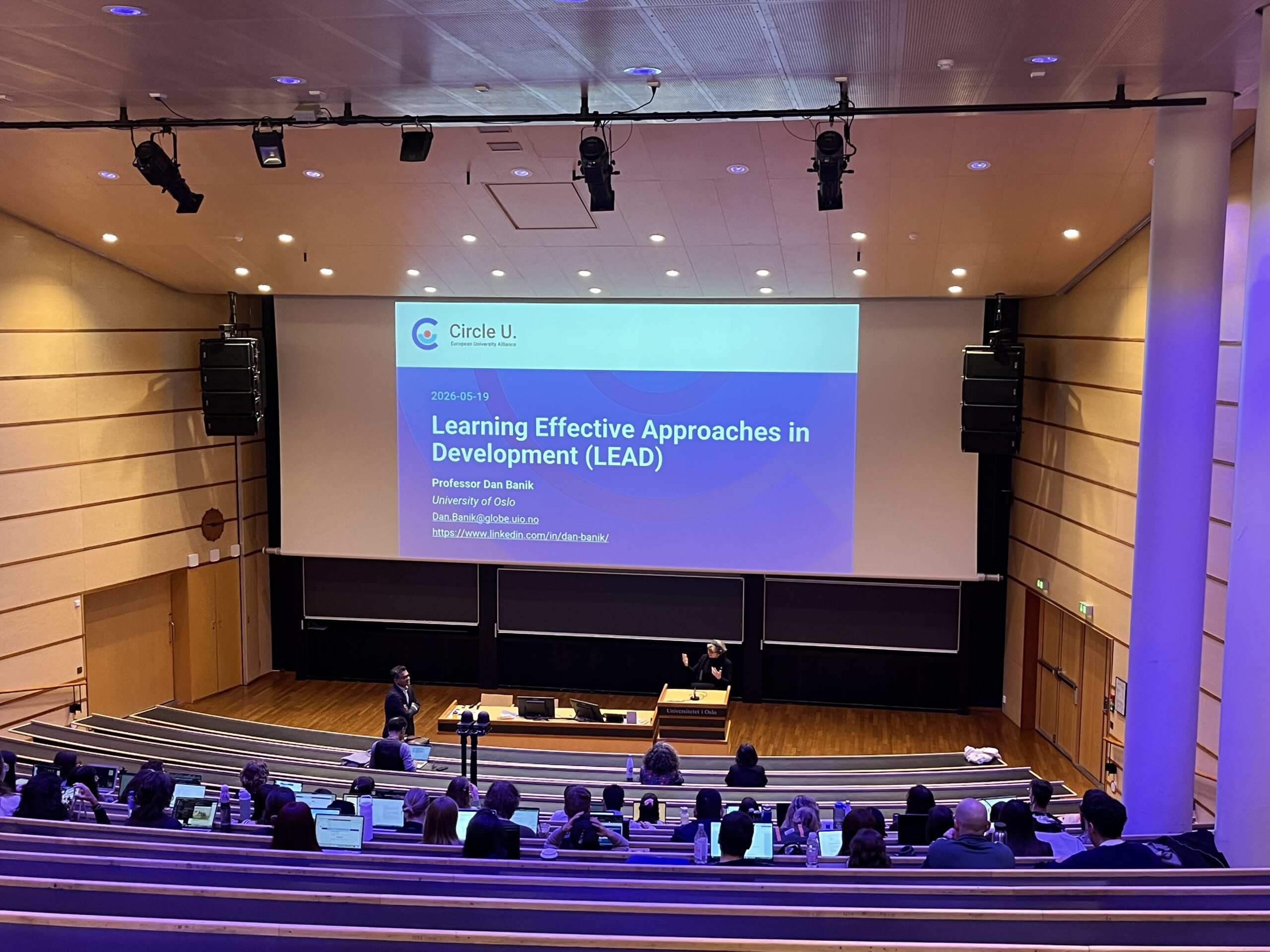
Beyond its academic content, the course provided an important opportunity for international exchange and personal growth. We asked Francesca Maria Scaletta and Francesco Del Monaco to reflect on what they took away from their experience in Oslo, from group work and intercultural exchange to new perspectives on their academic journey.
The interviews
What was it like to live and work for several days with 60 students from such different universities and cultural backgrounds?
Francesca Maria: It was stimulating and enriching. I feel I learned a great deal from the students I met. We all had something to share, as well as something to learn. The other students projected the confidence of people who know where they belong in the world. I believe we all have much to learn from our European peers.
Francesco: It was a truly unforgettable and inspiring experience. It gave me the opportunity to engage with people who were very different from one another, each with their own ideas, experiences and interests. Working in such an international environment broadened my perspective and taught me a great deal, not only academically but above all on a personal level.
Before leaving, what did you expect from the LEAD course, and what was the biggest surprise once you arrived in Oslo?
Francesca Maria: The course had been presented extremely well. All the information was clearly detailed on the website, and Professor Banik had already explained the approach that would shape the course during the preliminary online session. What surprised me most once I arrived in Oslo was the way the lecturers constantly sought to involve us in what felt less like traditional lectures and more like genuine dialogue. They encouraged us to ask questions that could open up new avenues of inquiry, and the exchange was extremely rewarding.
Francesco: Before leaving, I expected a learning experience focused mainly on the course content and group work. The biggest surprise was the level of engagement and collaboration that developed among participants from the very first days. Despite coming from different countries and universities, we quickly created an open, inclusive and highly motivating environment. I am especially pleased to have stayed in touch with several of the students, and I hope we will have the chance to meet again one day.
If you had to describe the LEAD experience in Oslo through a single moment, discussion, evening or activity, which would you choose and why?
Francesca Maria: I would choose the relaxed moment after the presentation of the final project, when students and lecturers gathered for one last meal together and discussed the course, our impressions and our interests. It felt like a genuine exchange among equals.
Francesco: I would choose the lunch hosted at Professor Banik’s home. It was truly a turning point because it helped me overcome the linguistic and personal barriers between myself and the other participants. It was an extremely effective way of helping people get to know one another and build the first connections, making the following days even more enjoyable. Of course, I would also include the moments of work and discussion with my international group. That was when I most clearly perceived the value of the experience: seeing people with different cultural and academic backgrounds collaborate towards a common goal was incredibly rewarding. Those discussions showed me how diversity can become a concrete resource for generating new ideas and solutions.
Is there something you brought home from Oslo that does not appear in the course programme?
Francesca Maria: Having someone ask me what I enjoy doing. It may sound simple, but being asked that question several times helped me reconnect with my interests, which I often neglect in favour of achievement at all costs.
Francesco: Absolutely. Beyond the knowledge I gained during the course, I brought home new friendships, a greater openness to perspectives different from my own, and increased confidence in my ability to work in international environments. These are things that rarely appear in an official programme, yet they are among the most valuable aspects of the experience. Finally, I also gained greater confidence in my English, which had initially been one of the things I was most worried about.