

Pollinators are in decline worldwide, so it is urgent to develop accurate methods for monitoring their density and abundance. In response to this issue, a team from the Universities of Pisa and Florence tested and validated a method for counting small, abundant and often fast-moving animals such as pollinating bees, for the first time.
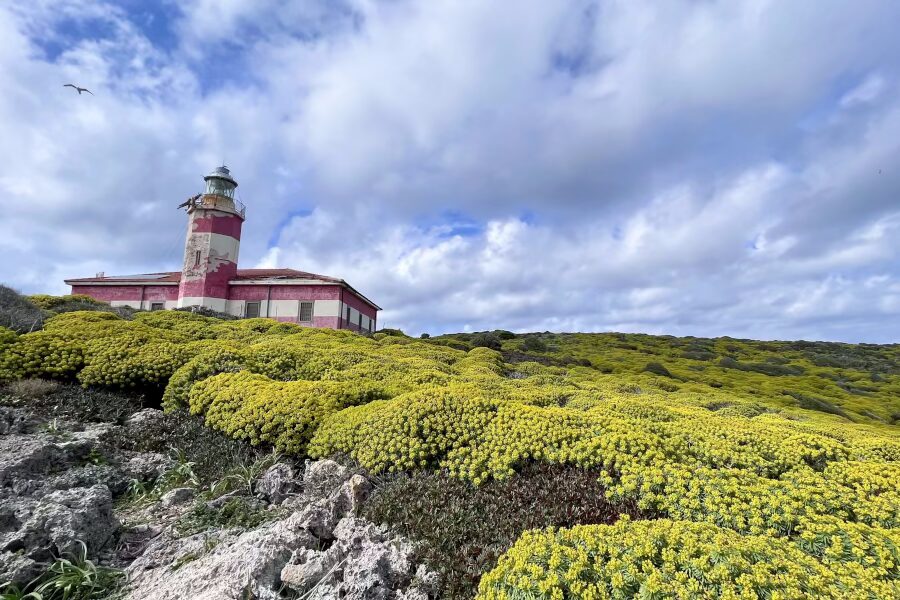
The protocol was tested on the island of Giannutri and allows for visual sampling along pre-established routes, counting the number of insects seen and estimating their distance. On the island, the researchers studied two pollinator populations in sharp decline, Anthophora dispar and Bombus terrestris, alongside farmed honeybees (Apis mellifera). The results were published in the Royal Entomological Society journal Insect Conservation and Diversity.
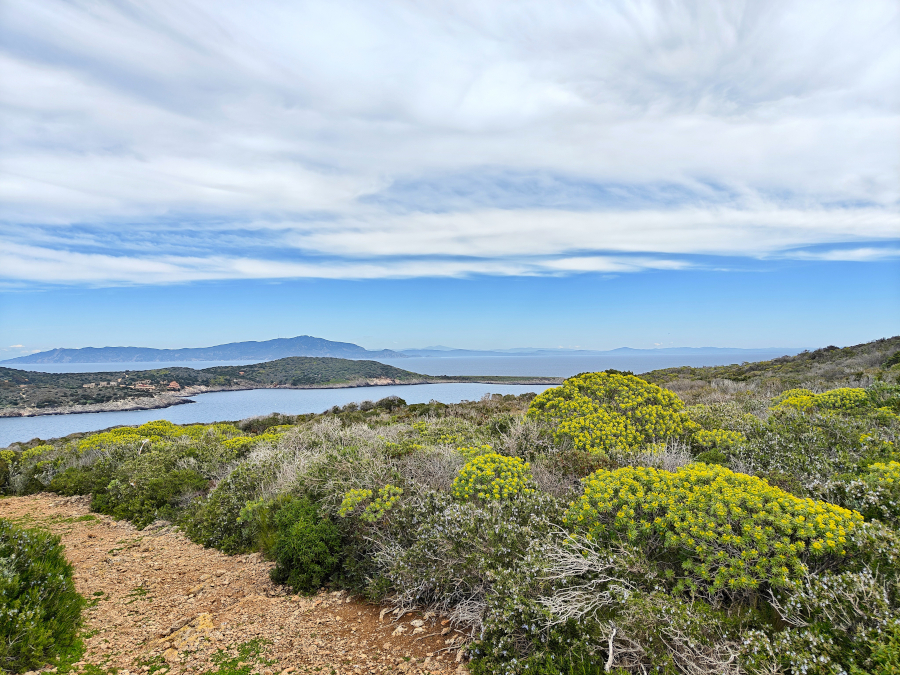
‘It is a promising, non-invasive method for estimating animal abundance,’ explains Alessandro Cini, Associate Professor in the Department of Biology at the University of Pisa and author of the study. ‘However, it has mainly been used on large, highly visible vertebrate species and only rarely on small insects such as in this case.’
“There has been talk for several years about the decline of insects, particularly pollinators, but until now there have been no validated methods capable of estimating the absolute abundance of insect populations without involving the capture and marking of large numbers of individuals. These methods are not necessarily risk-free and often conflict with biodiversity conservation priorities,” explains Leonardo Dapporto, Associate Professor in the Department of Biology at the University of Florence and co-author of the study.
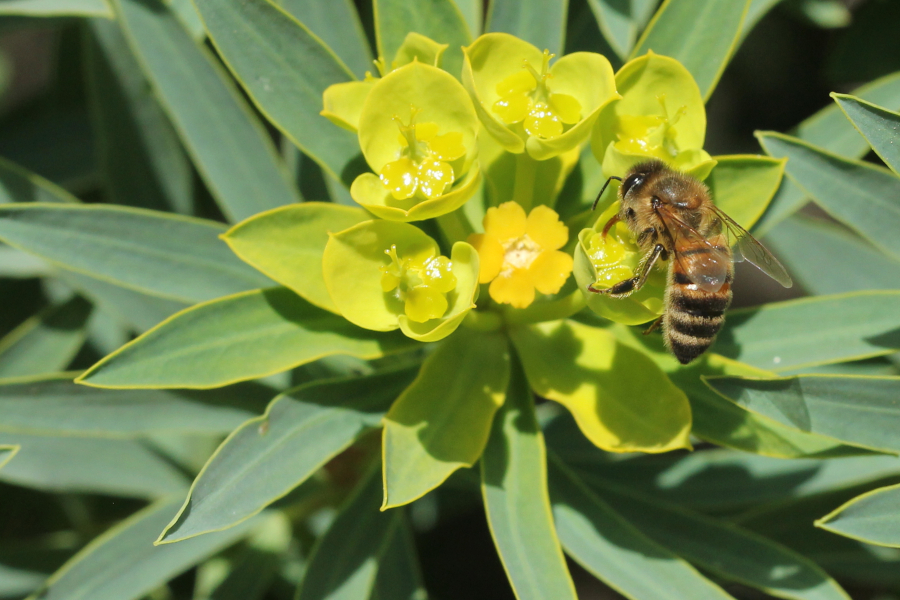
“The strength of our study,” adds Claudia Bruschini, a research fellow in the Department of Biology at the University of Florence, “was our ability to validate the method in the field. By knowing the actual number of honey bees on the island, we were able to demonstrate the effectiveness of this technique for wild species as well.”
“The estimates proved to be reliable, capable of capturing real seasonal trends, the effects of the weather and even the structure of the vegetation,’ concludes Cini. ‘A small island, three species of bees, a powerful method: a significant step forward in monitoring pollinators in order to preserve biodiversity.”
Alessandro Cini and Marco Penco participated in the study for the University of Pisa, whereas Claudia Bruschini, Olga Barghigiani, Adele Bordoni, Lorenzo Pasquali, Vania Salvati and Leonardo Dapporto participated for the University of Florence.