

The cost of a healthy and sustainable diet in Italy varies over time and across regions: it increases in spring and summer (except for young children) and differs significantly between northern and southern Italy, alongside a general rise in average product prices over time. These are the main findings of a study entitled “The economic feasibility of sustainable and healthy diets: a price-based analysis in Italy”, published in the scientific journal Quality & Quantity and authored by Stefano Marchetti (University of Pisa), together with Ilaria Benedetti (University of Tuscia), Haoran Yang (University of Pisa) and Mathias Silva Vazquez (University of Rome Tor Vergata).
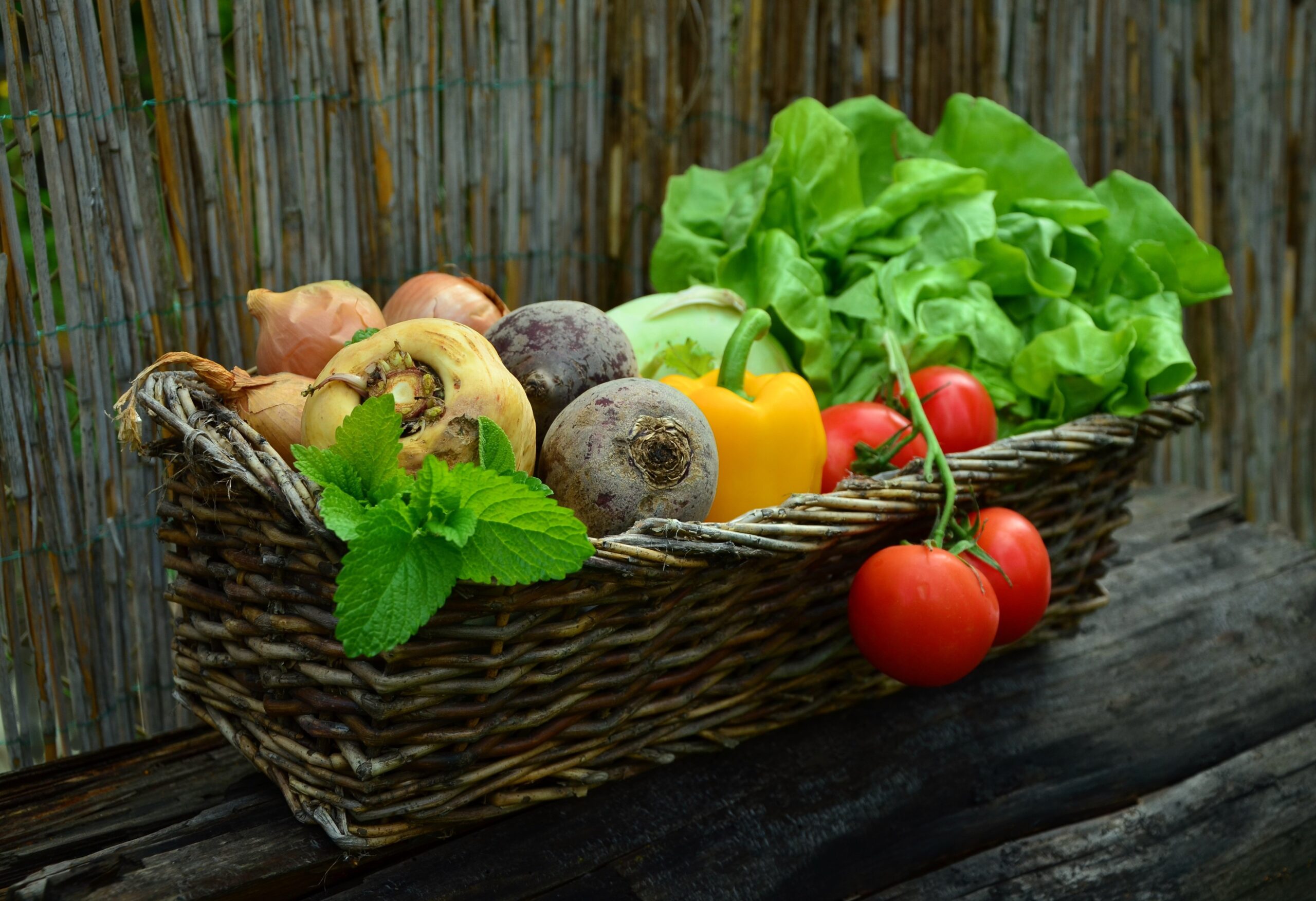
The study assessed the cost of healthy, sustainable food baskets broadly aligned with the Mediterranean diet, differentiated across five groups: adult men, adult women, adolescents, young children and older adults. The analysis covered the period from August 2021 to March 2024 and is based on 326,721 price observations for 167 food products across 107 Italian provinces. These observations were collected through the Price and Tariff Observatory of the Ministry of Enterprises and Made in Italy. The available data enable the estimation of minimum, average and maximum costs for each basket.
“Overall, we found that the Mediterranean diet is more expensive in spring and summer,” explains Stefano Marchetti, Professor in the Department of Economics and Management at the University of Pisa. “Only in the case of young children are costs higher during the colder months — a result that highlights the influence of this group’s specific needs on both the composition and price of the basket.”

According to the study, the food basket for adult men was the most expensive over the 2021–2024 period, consistently exceeding €200 in spring and summer months, while falling to around €150–160 in autumn and winter towards the end of the period. The overall increase over the three years is around 20%.
For adult women, the average monthly cost rises from approximately €175 to €208 in warmer months and from around €130 to €156 in colder months, with an overall increase of about 19–20%.
For older adults, the basket falls within an intermediate range, increasing progressively to around €160–170 in warmer months and approximately €120 in colder months, again with an overall increase of about 20%.
For adolescents, the average cost increases from about €109 to €131 in spring and summer and from approximately €65 to €78 in autumn and winter, with a rise slightly above 20% over the period.
For young children, the basket increases from around €49 to €62 in warmer months and from approximately €65 to €79 in colder months, with an overall increase between 20% and 25%. This is the only group for which costs are higher in winter than in summer.
Geographical differences are also evident. Average and maximum basket prices are higher in northern Italy, while minimum prices — that is, the lowest theoretical cost required to follow the diet — are often higher in southern Italy.
“One possible explanation,” notes Stefano Marchetti, “is the lower presence of large-scale retail distribution in some southern areas, where competition and economies of scale are weaker, which may affect the lowest available prices. More broadly, the study highlights the importance of monitoring tools and policies targeted at the most vulnerable groups. The economic accessibility of a healthy diet varies over time and across regions, with overall expenditure increasing with age and caloric requirements. At the same time, seasonal trends show that almost all groups face higher costs in spring and summer, except for young children.”
This research was conducted within the framework of the PRIN 2022 project “FOOD MeaSure – Poverty, Vulnerable Individuals and Sustainable Diets – New perspectives on Official Statistical data” (CUP: J53D23011590006), which examines the relationship between poverty, social vulnerability and access to healthy and sustainable diets through innovative use of official statistical data.