

There are 62 plant species in Tuscany at the greatest risk of disappearing, concentrated mainly in wetlands, coastal environments, and fragile mountain areas such as the Apuan Alps and the Tuscan Archipelago. Of these, 41 are endemic to the region, meaning they occur only in Tuscany: their extinction would mean disappearing from the planet altogether. This is revealed by a study recently published in the scientific journal Environmental and Sustainability Indicators, which for the first time sets conservation priorities for plant species of interest in the region.
The research is the result of collaboration between the Tuscany Region and the Universities of Pisa, Florence and Siena, as part of the project “NATura NEtwork Toscana – NAT.NE.T”, dedicated to monitoring species and habitats protected by the European Union.
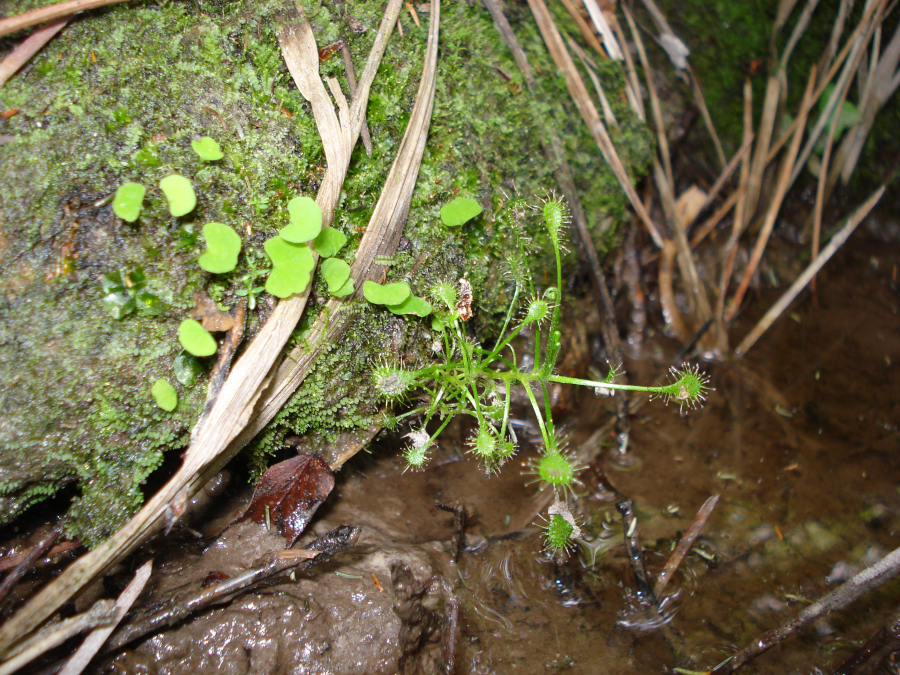
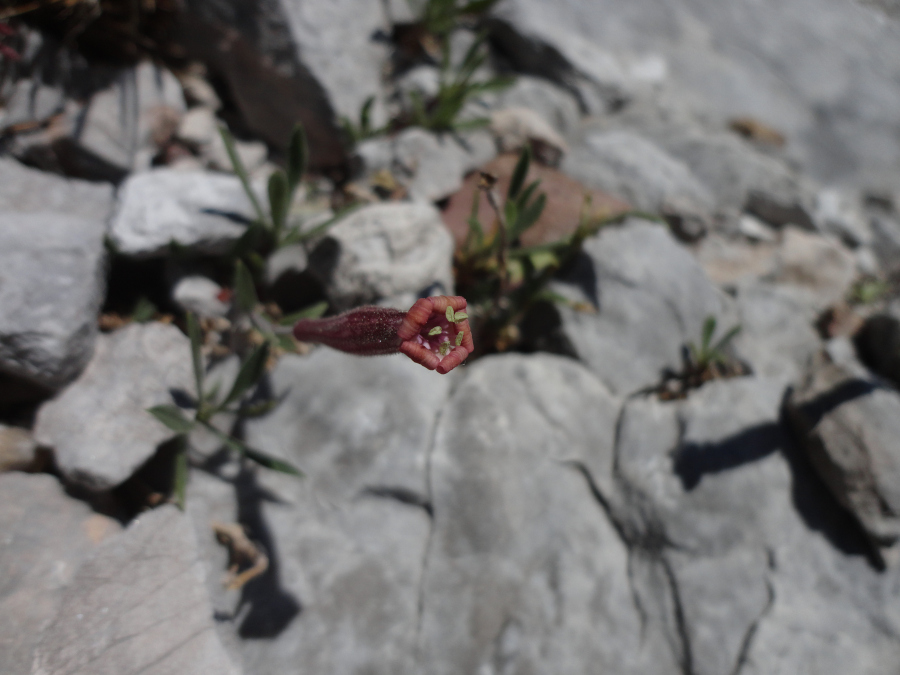
The species most at risk are found in habitats that are increasingly threatened by human activity. These include extremely rare wetland plants, such as White Beak Sedge (Rhynchospora alba) and Oblong-Leaved Sundew (Drosera intermedia), which survive at a single site on Monte Pisano; coastal plants such as the eight Tuscan endemic species of sea lavender (Limonium); and species restricted to the Apuan Alps, such as Santolina pinnata and its parasitic plant Orobanche apuana, or to the Tuscan Archipelago, such as Capraia Toadflax (Linaria capraria).
These species were identified using an innovative method based on the IDEA protocol (Investigate, Discuss, Estimate, Aggregate), which enables structured comparison of assessments from multiple experts. The protocol combines four criteria — level of exposure to concrete threats, rarity, biogeographical value and taxonomic isolation — to assign each species a conservation priority index.
“This approach,” explains Gianni Bedini of the University of Pisa, “reduces discrepancies between individual assessments and allows us to reach a shared and transparent result. Successfully tested in Tuscany, the method can be exported to other Italian regions to build lists of priority species of local interest, overcoming the limitations of national and international Red Lists, which are not applicable at the regional scale.”
“The new list of priority plants for Tuscany is the result of evaluating 456 species by a group of 15 botanists who applied uniform, shared scientific criteria, then discussed their results to reduce subjective differences and guarantee maximum transparency in the assessment process,” says Professor Claudia Angiolini of the University of Siena. “The method proved solid and scientifically sound, enabling us to indicate to local institutions which species present the highest conservation priorities.”
“This study forms part of the NAT.NE.T project, for which the University of Florence coordinates the terrestrial component,” adds Professor Matilde Gennai, from the Department of Biology of the University of Florence. “Regional initiatives based on the continuous collection of naturalistic data, and which link the three Tuscan universities, are essential not only for monitoring the most vulnerable elements of biodiversity but also for expanding our knowledge across the entire region, beyond the limits of protected areas alone. Only a broad, integrated regional vision allows us to detect signs of change in a timely manner and provide the tools to allocate resources more transparently and effectively, relying on accurate and constantly updated data.”
Among the contributors from the University of Pisa were botanists Andrea Bertacchi, Angelino Carta, Lorenzo Peruzzi, Francesca Olivieri and Lorenzo Pinzani, coordinated by Professor Gianni Bedini from the Department of Biology. Participants from the University of Siena included Emanuele Fanfarillo and Tiberio Fiaschi, supervised by Professor Claudia Angiolini from the Department of Life Sciences. Contributors from the University of Florence included Giulio Ferretti of the Natural History Museum; Lorenzo Lazzaro, Michele Mugnai, Daniele Viciani and Bruno Foggi from the Department of Biology; and Federico Selvi from the Department of Agricultural, Food, Environmental and Forestry Sciences and Technologies.