

One of the great challenges of modern medicine is understanding whether a mutation in DNA can cause disease. A team of researchers from the University of Pisa, in collaboration with the Scuola Superiore Meridionale in Naples, has developed an innovative tool that can help do so more quickly and efficiently: it is called ProSECFPs, and it can create a kind of “digital fingerprint” of proteins.
“Each protein is made up of a long sequence of ‘letters’ (amino acids),” explains Professor Tiziano Tuccinardi, from the Department of Pharmacy and coordinator of the study. “ProSECFPs makes it possible to transform this sequence into a very compact numerical representation that computers can read and compare at high speed. This makes it easier to understand whether a small change in the sequence — a missense mutation — risks altering the function of the protein and causing health problems.”
In recent years, very large artificial intelligence models have often been used to analyse proteins. These models are highly effective but require considerable time and computing power. The novelty of ProSECFPs is that it achieves comparable — and in some cases even better — results than more complex models, while being up to thousands of times faster. “The idea is simple,” continues Tuccinardi. “To give researchers a lightweight but very powerful tool that anyone can use, even without access to a supercomputer.”

Thanks to its speed, ProSECFPs could be useful not only in research but also in clinical settings — for example, to interpret genetic variants detected during diagnostic analyses more rapidly. The method has been tested on thousands of human mutations and has shown high reliability. In addition, the researchers have made the code freely available on GitHub so that other groups can use it without restrictions.
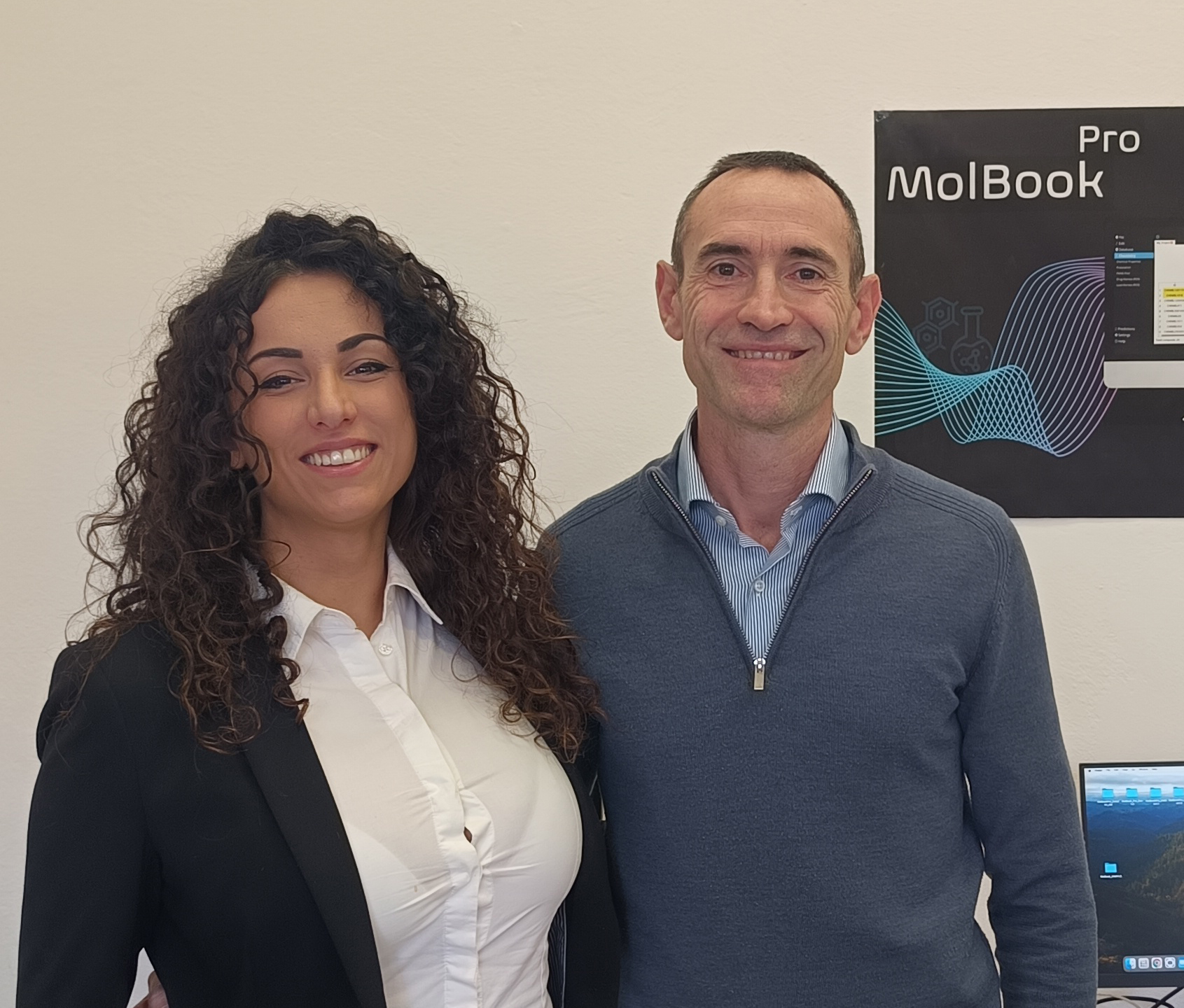
The study, published in the Journal of Chemical Information and Modeling, was carried out with the contribution of Clarissa Poles, a PhD student in Genomic and Experimental Medicine at the Scuola Superiore Meridionale in Naples and a member of Professor Tuccinardi’s Computational Chemistry group. The project is part of the “THE – Tuscany Health Ecosystem” programme — Spoke 6 “Precision medicine & personalised healthcare”, funded through the PNRR.