

In 1562, Cardinal Giovanni de’ Medici died at the age of just 19 after contracting a severe febrile illness during a journey along the Tuscan coast. Twenty-five years later, his elder brother Francesco I de’ Medici, Grand Duke of Tuscany, also died after developing similar symptoms. For centuries, historical accounts attributed both deaths to malaria, although Francesco’s death continued to fuel theories of poisoning.
Now, a new study conducted by the Division of Paleopathology within the Department of Translational Research and New Technologies in Medicine and Surgery at the University of Pisa, in collaboration with researchers from Yale University, provides compelling new evidence and sheds new light on the evolution of malaria in the past.

Published in iScience, the study analysed DNA extracted from the skeletal remains of the two brothers in search of genetic traces of Plasmodium, the genus of parasitic protozoa responsible for malaria. The analyses identified, in the remains of Giovanni de’ Medici, the DNA of a previously unknown strain of Plasmodium falciparum, the species responsible for the most severe form of human malaria. According to the study, this strain carries two unique genetic mutations, which are thought to have emerged during the parasite’s demographic expansion and its spread across Europe.
In the remains of Francesco de’ Medici, the researchers identified genetic traces attributable to both P. falciparum and a second species, Plasmodium malariae. The presence of two different species in the same individual is consistent with previous research conducted in Belgium covering the same historical period, which documented multiple infections. However, Alexander Ochoa, first author of the study and Associate Researcher at the Yale Human Evolutionary Genomics Laboratory, explained that further genetic analyses will be needed to confirm whether the two species were indeed co-circulating in central Italy during the 16th century.
“Our study is an excellent example of how modern analytical techniques can be applied to ancient DNA to better understand the past,” said Serena Tucci, Assistant Professor of Anthropology in Yale’s Faculty of Arts and Sciences and head of the Yale Human Evolutionary Genomics Laboratory. “But our work goes beyond shedding light on history: it has also generated new data that may contribute to ongoing and future research on malaria, a disease that continues to cause millions of cases and hundreds of thousands of deaths worldwide every year.”
“The study of ancient DNA not only allows us to diagnose malaria in the remains of individuals who lived in the past,” said Ochoa. “It also provides a unique window onto the evolution of malaria species, in this case P. falciparum, helping scientists better understand how the pathogen adapts over time.”
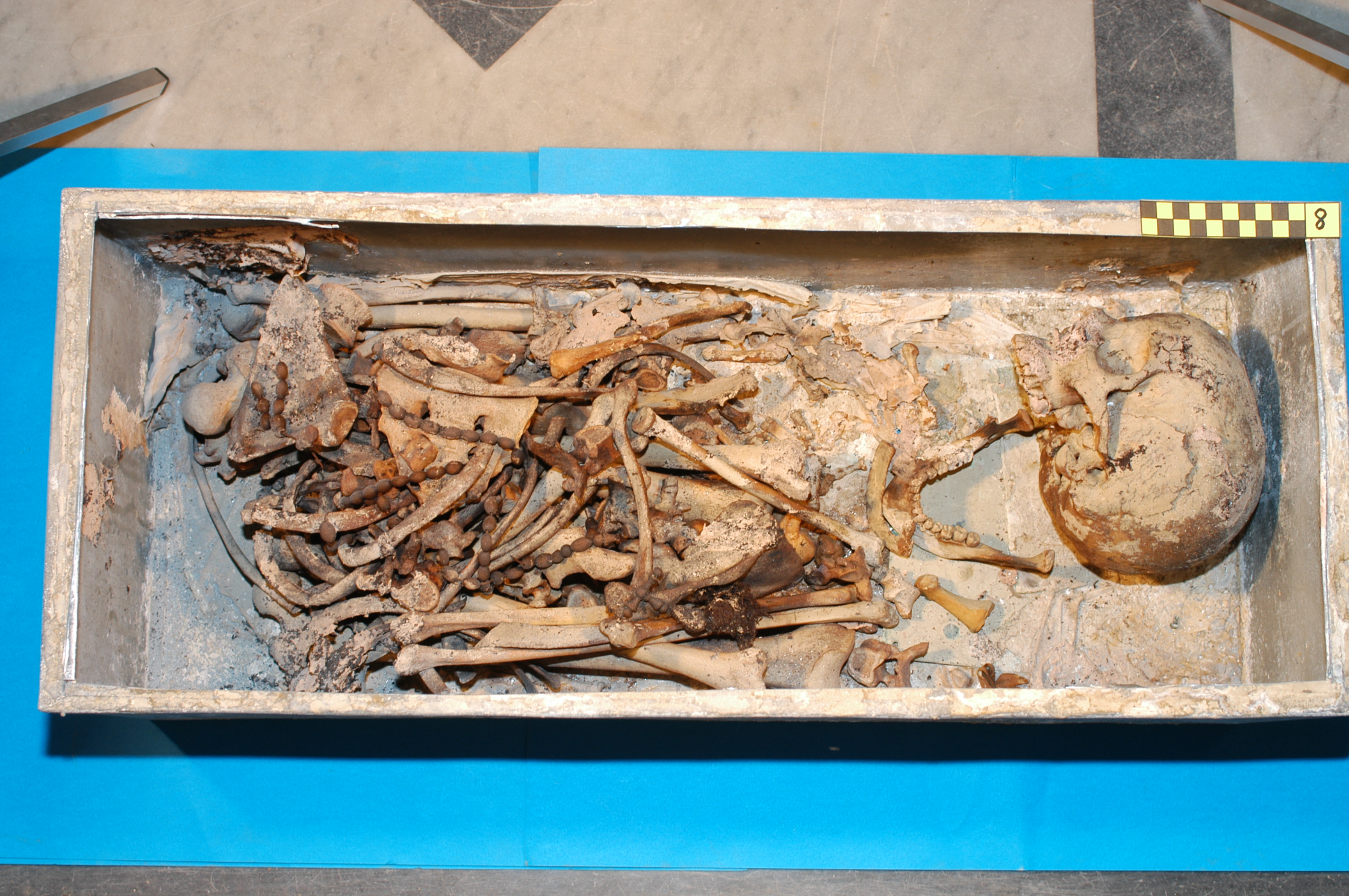
To carry out the research, the team extracted DNA from four ribs: three belonging to Grand Duke Francesco and one to Cardinal Giovanni. The two brothers are buried in the Medici Chapels, within the Basilica of San Lorenzo in Florence, which houses the tombs of the principal members of the Medici family.
The findings provide new insights into the genetic diversity of P. falciparum and contribute to reconstructing the spread and evolution of malaria in central Italy during the Renaissance and the centuries that followed. Malaria was endemic in central Italy from antiquity until the twentieth century, when eradication campaigns succeeded in eliminating the disease from the region. According to the World Health Organization, around 282 million cases of malaria and more than 610,000 deaths were recorded worldwide in 2024.
The new evidence also makes it possible to reinterpret well-known episodes in Medici history in light of genetics. Giovanni de’ Medici contracted malaria together with his mother, Eleonora di Toledo, and his younger brother Garzia during a journey along the Tuscan coast, where marshland areas were known breeding grounds for mosquitoes carrying the disease. All three developed recurrent fevers and died within a month.
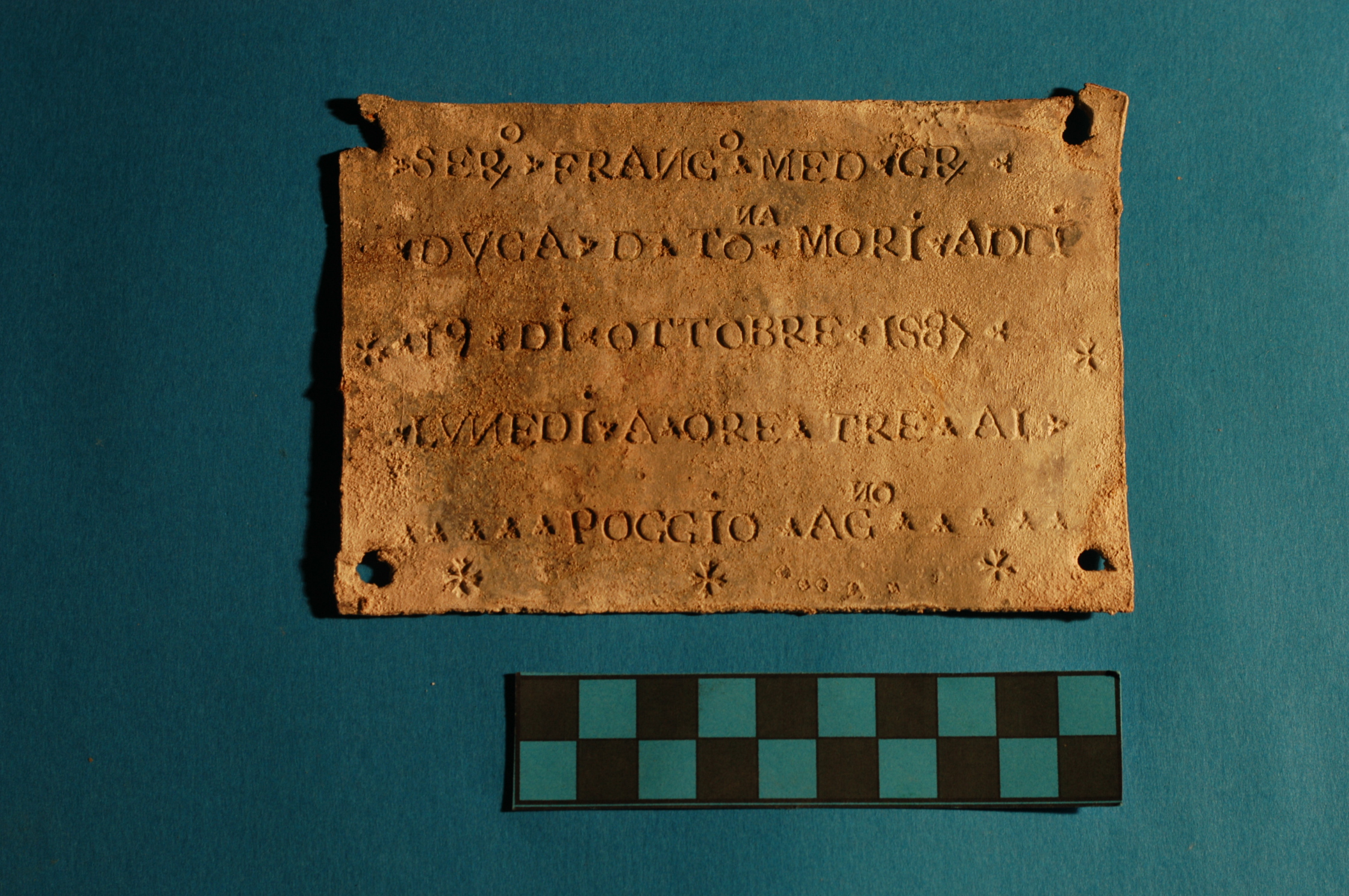
In 1587, Francesco de’ Medici and his wife Bianca Cappello stayed at the Medici villa of Poggio a Caiano, located in an area characterised by marshy land and rice cultivation, an ideal habitat for mosquitoes. The couple died one day apart after developing intermittent fevers consistent with malaria. The rapid succession of their deaths fuelled rumours that Francesco’s brother and rival, Cardinal Ferdinando de’ Medici, had poisoned them with arsenic.
Archival sources, including reports written by the Medici court physicians of the time, describe symptoms entirely consistent with malaria. The same sources also document the treatments administered to the patients, including bloodletting, a widespread practice in the sixteenth century that probably worsened rather than improved their condition.
Previous immunological analyses had already suggested the presence of P. falciparum in both Giovanni and Francesco de’ Medici. However, until now, no genetic investigation of their skeletal remains had been carried out to confirm these findings.
“At the time, both men were diagnosed on the basis of symptoms such as intermittent fevers, which are consistent with malaria,” explained Valentina Giuffra, Full Professor of History of Medicine at the University of Pisa and co-author of the study. “This genetic analysis confirms both the historical accounts and previous research. We can now state with scientific certainty that malaria, and not poisoning, caused the death of Grand Duke Francesco de’ Medici.”
Other authors of the study include Samantha Miller and Patrick Reilly of the Yale Human Evolutionary Genomics Laboratory; Adalgisa Caccone of Yale’s Department of Ecology and Evolutionary Biology; and Gino Fornaciari, Antonio Fornaciari and Giulia Riccomi of the Department of Translational Research and New Technologies in Medicine and Surgery at the University of Pisa.
In 1587, Francesco de’ Medici and his wife Bianca Cappello stayed at the Medici villa of Poggio a Caiano, located in an area characterised by marshy land and rice cultivation, an ideal habitat for mosquitoes. The couple died one day apart after developing intermittent fevers consistent with malaria. The rapid succession of their deaths fuelled rumours that Francesco’s brother and rival, Cardinal Ferdinando de’ Medici, had poisoned them with arsenic.
Archival sources, including reports written by the Medici court physicians of the time, describe symptoms entirely consistent with malaria. The same sources also document the treatments administered to the patients, including bloodletting, a widespread practice in the sixteenth century that probably worsened rather than improved their condition.
Previous immunological analyses had already suggested the presence of P. falciparum in both Giovanni and Francesco de’ Medici. However, until now, no genetic investigation of their skeletal remains had been carried out to confirm these findings.
“At the time, both men were diagnosed on the basis of symptoms such as intermittent fevers, which are consistent with malaria,” explained Valentina Giuffra, Full Professor of History of Medicine at the University of Pisa and co-author of the study. “This genetic analysis confirms both the historical accounts and previous research. We can now state with scientific certainty that malaria, and not poisoning, caused the death of Grand Duke Francesco de’ Medici.”
Other authors of the study include Samantha Miller and Patrick Reilly of the Yale Human Evolutionary Genomics Laboratory; Adalgisa Caccone of Yale’s Department of Ecology and Evolutionary Biology; and Gino Fornaciari, Antonio Fornaciari and Giulia Riccomi of the Department of Translational Research and New Technologies in Medicine and Surgery at the University of Pisa.