

Small pine branches, lit individually or bundled together, were used to find a way through the deep darkness of caves. This was the solution adopted by human groups around 14,000 years ago in the Bàsura Cave at Toirano, in Liguria. The finding comes from a multidisciplinary study published in the journal Quaternary International, in which Elisabetta Starnini, Professor of Prehistory and Protohistory at the Department of Civilisations and Forms of Knowledge of the University of Pisa, also took part.
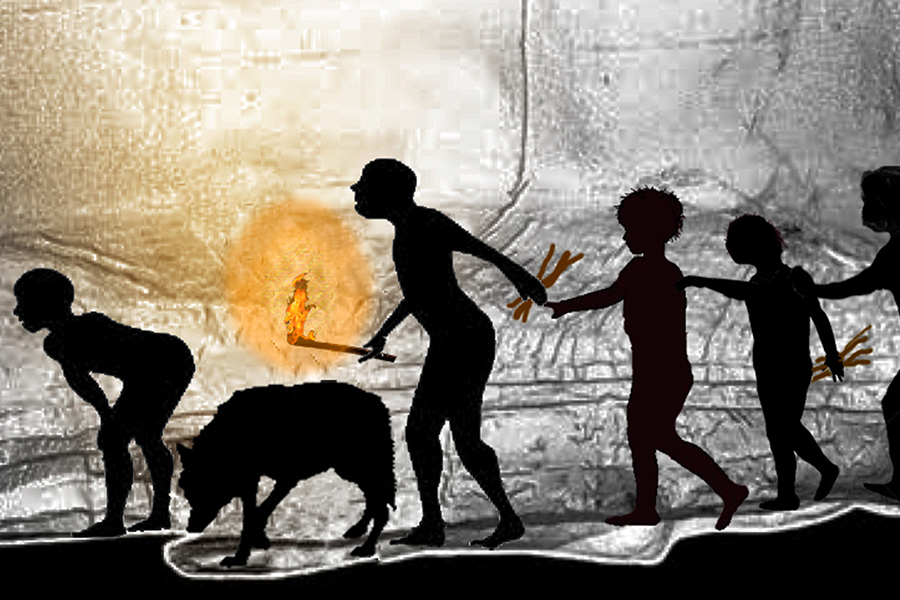
The research analysed archaeobotanical remains, pollen, charred fragments, and traces left on the floor and walls of the Bàsura Cave, one of the most important Palaeolithic sites in Europe. The cave preserves fossilised human footprints, evidence of animal activity, and marks left on the walls by small groups of humans accompanied by a canid. The study identified, among the charred remains, fragments of pine branches with a diameter of less than 2–3 centimetres that had been used as a source of light.
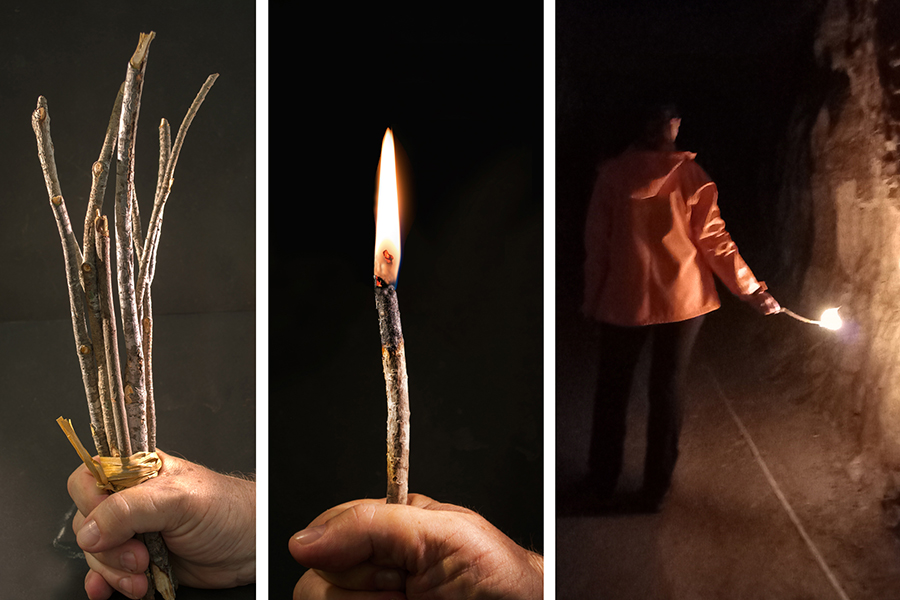
The analysis was complemented by an experimental archaeology test carried out in a nearby cave, selected in order to avoid contamination of the archaeological site. Researchers were thus able to verify in practice that these small branches could indeed provide sufficient light for safe movement through underground passages, while at the same time limiting oxygen consumption and reducing the glare produced by larger flames.
According to the estimates, approximately twenty 30-centimetre-long “torches” would have been needed to complete the entire route through the cave. The study also provided new information about the landscape of the period: pollen analyses indicated that the area surrounding the cave was characterised by open pine woodland alternating with herbaceous steppe typical of cold and arid environments.
“This research allows us to reconstruct in a very concrete way the strategies adopted by Palaeolithic human groups to cope with extreme environments such as deep caves,” explains Elisabetta Starnini. “The archaeological evidence, combined with experimental archaeology, reveals an extraordinary capacity for adaptation and for managing the natural resources available.”
The study is the result of a collaboration between the University of Pisa, the Archaeobotany Laboratory of the Archaeological Museum of Finale, the Cave Service of the Municipality of Toirano, the Universities of Genoa and Turin, Sapienza University of Rome, MUSE – Science Museum of Trento, and other Italian and international institutions.