

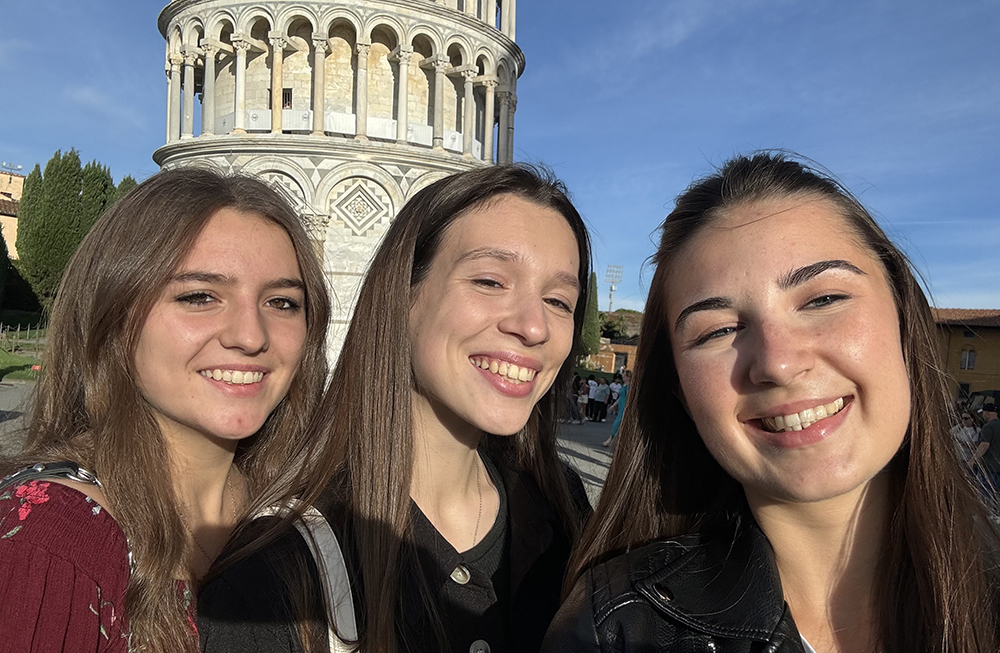
Nine students (both women and men) and five members of academic staff from Ukraine were able to undertake a period of study and work at the University of Pisa thanks to the recently concluded Erasmus+ KA171 project. For two students, Romanna and Oleksandra, the experience proved so meaningful that they decided to enrol in Bachelor’s Degree courses in Management for Business and Economics and Modern Humanities at the University of Pisa, respectively, choosing Pisa as the place to continue their academic journey.
For many participants, arriving in Italy was not only an academic opportunity but also a chance to study and work in a safe environment during a period marked by the tensions and consequences of the Russian–Ukrainian conflict.
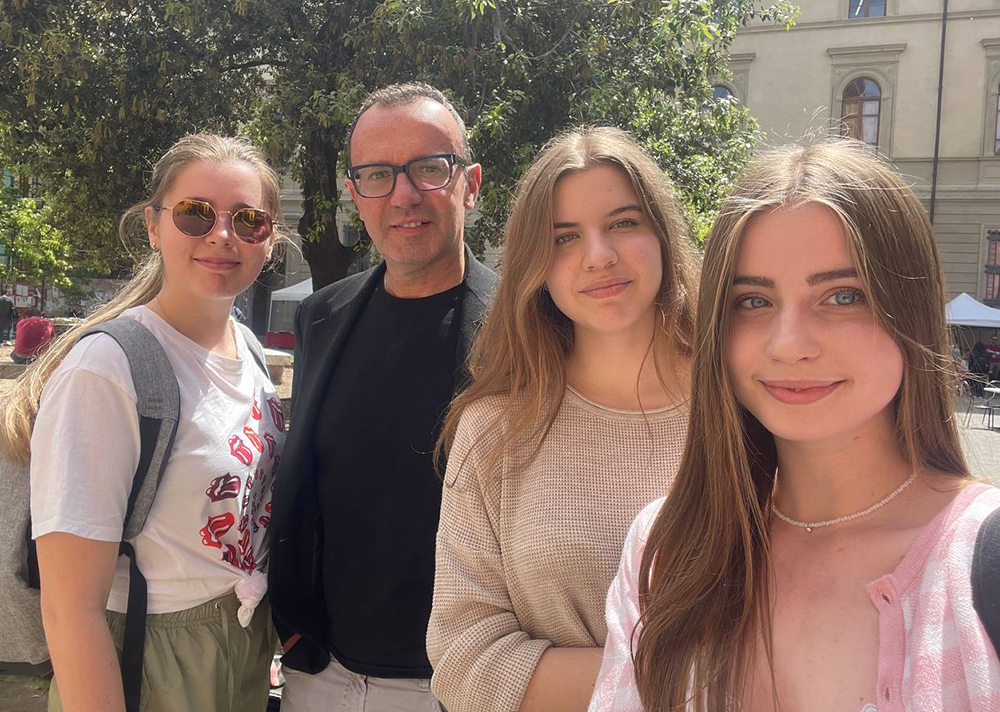
“The Erasmus+ mobility was a unique and invaluable step in our personal development,” the two students explained. “We improved our language skills, acquired new study methods and learned Italian. Pisa welcomed us and helped us grow, both academically and personally.”
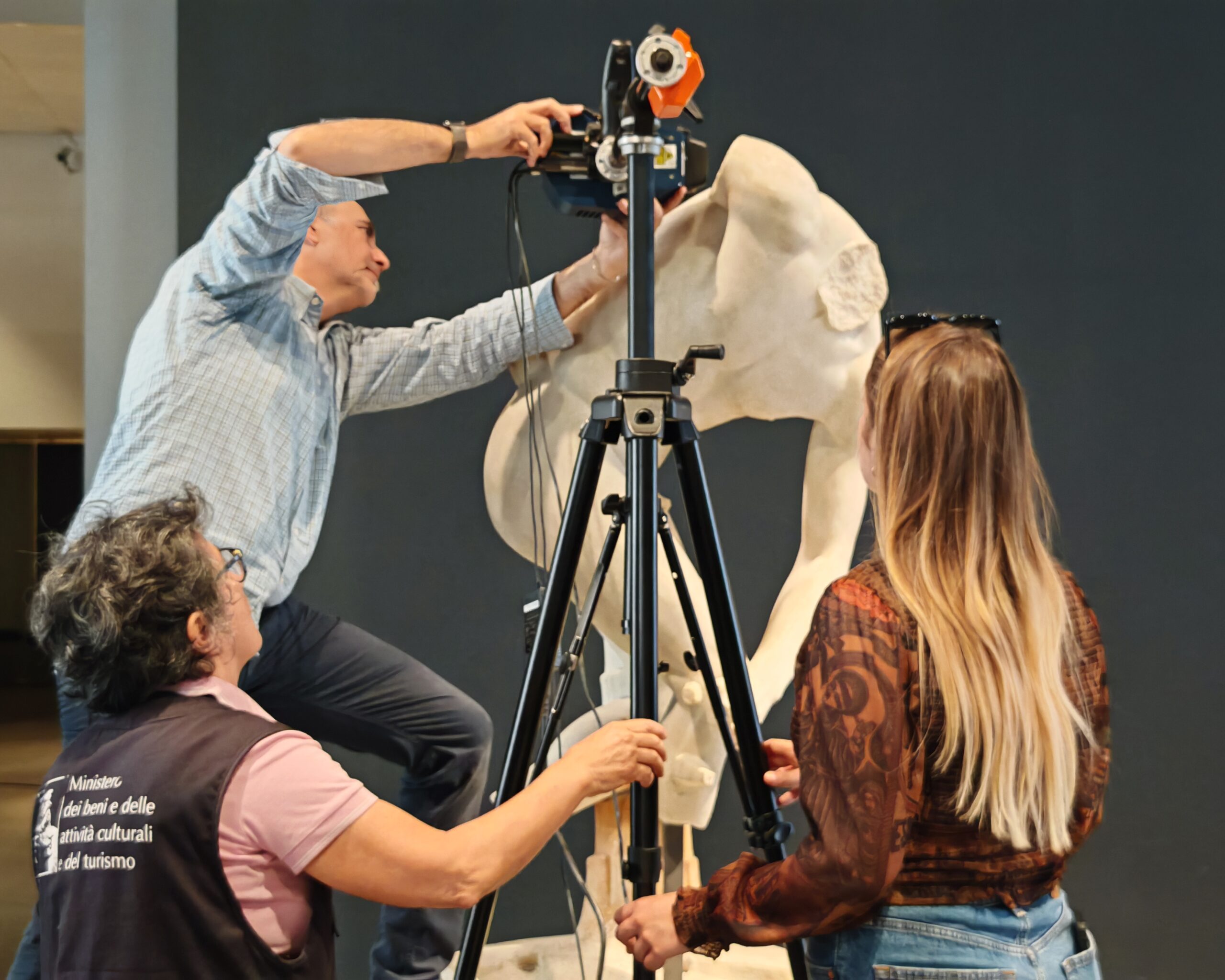
Launched in 2022 and recently evaluated positively by the Erasmus+ National Agency, the project involved the Drohobych Ivan Franko State Pedagogical University (DIFSPU) and the Kyiv National Linguistic University (KNLU). Its goal was to support the modernisation of the Ukrainian higher education system, fostering alignment with European standards and strengthening the international profile of both institutions. Activities focused particularly on cultural heritage management and linguistic and philological education, promoting targeted exchanges to improve teaching quality, research, and interdisciplinary approaches.
However, the outbreak of war caused complications, reducing the number of mobilities compared with initial plans and preventing Italian lecturers from travelling to Ukraine. Mobilities to Pisa also required reorganisation, especially due to exit restrictions imposed on male students and lecturers. Despite these challenges, cooperation remained active and all planned activities were completed in accordance with the agreements.
“In a global context marked by geopolitical tension, cooperation with Ukraine guided by the principles of the Erasmus+ Charter has also taken on a strong symbolic and social value,” said Professor Giovanni Federico Gronchi, Vice-Rector for Cooperation and International Relations. “Universities are places of dialogue, knowledge and freedom, and this collaboration with the two Ukrainian institutions reaffirms our commitment, enshrined in our Statute, to promoting peace, cooperation and human development by investing in research and education even in the most difficult moments.”
The project has therefore not only been an academic exchange opportunity but also a tangible act of solidarity and educational diplomacy, fully in line with the core values of the Erasmus+ programme: inclusion, diversity and participation in democratic life.